When should I apply mulch? The best times are spring and fall. Spring mulching preps your garden for growth, while fall mulching protects plants through winter. Timing it right can make a big difference in plant health and soil quality.
Ready to transform your garden with expert mulching techniques? Doctor’s Lawn and Landscape has been serving the Kansas City Metro Area for over 30 years, ensuring mulch beds thrive all year round. For personalized mulching advice and professional service, give us a call at 913-681-8041. Our experienced team is eager to help you achieve a healthy, beautiful garden through effective mulching strategies. Contact us today!
Optimal Times for Mulching
The timing of mulching plays a key role in plant health and garden aesthetics. Spring and fall are generally the most effective periods, each offering unique advantages for moisture retention, weed suppression, and soil health.
Spring mulching readies your garden for the growing season by providing essential moisture and nutrients. Conversely, fall mulching shields plants from winter cold, prevents soil erosion, and maintains stable soil temperatures.
Spring Mulching
Spring is ideal for mulching to prepare the garden for the growing season, typically recommended in mid to late April once the soil is warm and weeds are minimized. Spring mulching deters weed growth, giving plants a better chance to thrive. Removing winter mulch after the last frost promotes plant growth, ensuring your garden beds are ready.
Avoid mulching too early, as this can trap cold air in the soil, harming plant growth. Waiting until after spring tree debris has fallen can help maintain a tidy garden before applying mulch.
Mulching at the right time enhances soil moisture retention, prevents soil erosion, and sets the stage for a successful growing season.
Fall Mulching
Fall mulching protects from winter cold and dryness, insulating plant roots and conserving moisture. Applying mulch in early to mid-fall reduces soil erosion by covering the soil surface and protecting it from harsh weather conditions.
Clean up garden debris before applying fall mulch to avoid attracting pests. Late fall mulching protects plants from excessive freezing temperatures, helping them remain healthy through the winter.
Proper fall mulching maintains stable soil temperature and moisture levels, giving plants a head start for the next growing season.
Summer Mulching Tips
Summer challenges gardeners with increased weed growth and the need to maintain soil moisture. Refreshing mulch during summer can address these issues, enhancing weed suppression and moisture retention to keep garden beds healthy and vibrant.
Light-colored mulches minimize heat absorption in summer, protecting plant health. Watering dry mulch beds before applying mulch helps it retain moisture better. Regularly checking and replenishing the mulch layer ensures its effectiveness, providing plants with the necessary protection and nutrients during hot months.
Winter Mulching Strategies
Winter mulching maintains stable soil temperatures and protects plants from harsh conditions. Applying mulch after the first hard freeze deters pests and provides an insulating layer for soil temperature stability. A 2 to 4-inch layer is ideal for effective winter protection.
Avoid placing mulch directly against plant stems to prevent rot. Straw is effective for winter protection, especially for delicate plants, as it decomposes quickly and provides excellent insulation. These strategies ensure your plants survive winter and emerge healthy in spring.
Types of Mulch and Their Uses
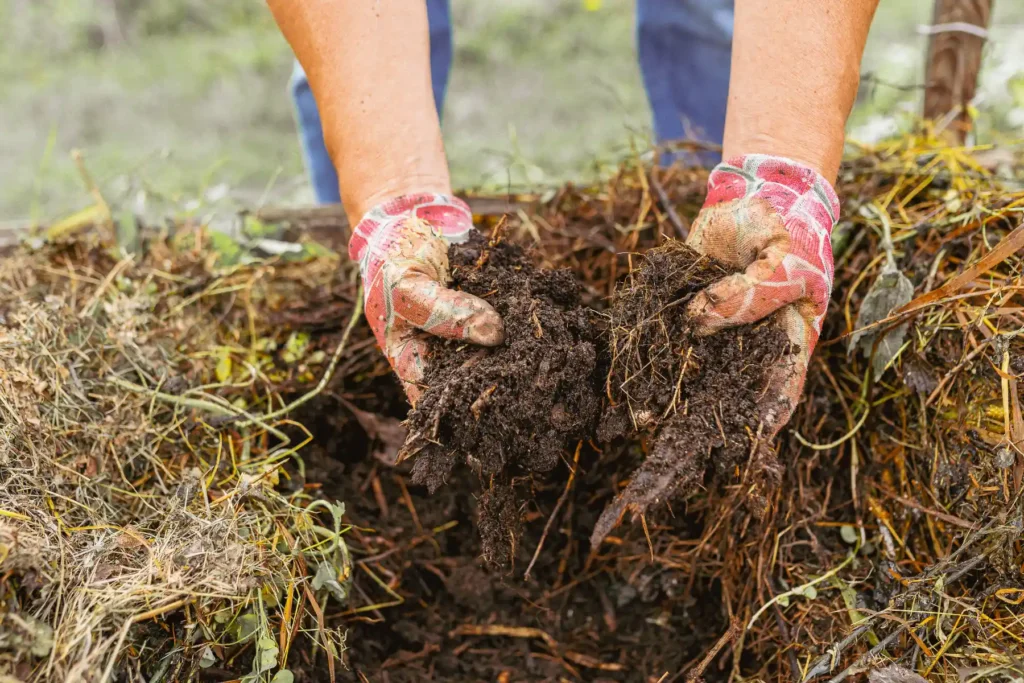 Choosing the right type of mulch helps achieve the desired benefits in your garden. Mulches fall into two categories: organic and inorganic, each offering unique advantages. Organic mulches improve soil health and garden appearance, while inorganic mulches provide long-term weed suppression and stability.
Organic Mulches
Organic mulches, such as compost, leaves, bark, and grass clippings, consist of dead plant materials. They suppress weeds, improve soil structure, and retain moisture as they decompose. Well-rotted horse manure is a nutrient-rich option that enhances plant growth.
Homemade garden compost is an excellent organic mulch, retaining moisture, suppressing weeds, and improving soil health. Cedar mulch naturally deters pests and adds a pleasant fragrance, offering both functional and aesthetic benefits.
Applying organic mulches attracts beneficial insects, provides nutrients to plants, and enhances overall garden health.
Inorganic Mulches
Inorganic mulches, such as rocks, gravel, plastic sheeting, landscape fabric, and rubber mulch, provide long-term weed suppression and stability, although they don’t add nutrients to the soil. Rocks and gravel, for example, seal moisture into the soil and effectively suppress weeds.
Some inorganic mulches can disintegrate, increase planting area heat, and potentially leach harmful chemicals. Despite these drawbacks, they can be a practical choice for areas needing long-term weed suppression.
How to Apply Mulch Correctly
Correct mulch application maximizes its benefits. The process involves preparing the soil and spreading the mulch properly, ensuring effective weed suppression, moisture retention, and soil health improvement.
Preparing the Soil
Preparing the soil is fundamental to mulching. Adequate preparation enhances mulch’s effectiveness in retaining moisture and suppressing weeds. Cultivating the soil improves air and moisture accessibility, ensuring plants get the nutrients they need.
Loosening the soil enhances water infiltration and nutrient absorption, essential for plant health. A well-prepared soil maximizes the benefits of mulching, leading to better plant growth and resilience.
Spreading Mulch
Spread mulch to a depth of two to four inches for effective weed suppression. This depth blocks sunlight, preventing weed growth and retaining soil moisture, and also suppresses weeds.
Keep mulch three inches away from plant bases to prevent rot and promote healthy growth. Leaving a gap between mulch and plant stems avoids moisture accumulation that can cause rot.
Common Mulching Mistakes to Avoid
Avoid common mulching mistakes to maintain a healthy garden. One mistake is not removing established weeds before mulching, allowing them to grow through the mulch layer. Completely remove weeds to prevent them from thriving underneath the mulch.
Using fresh mulch materials that may contain weed seeds and herbicides is another mistake, as they can harm plants. Additionally, avoid placing mulch directly against tree trunks to prevent moisture accumulation that can rot the root collar.
Being aware of these pitfalls allows you to apply mulch effectively and maintain a healthy garden.
Benefits of Mulching
Mulching enhances plant health and growth by conserving soil moisture, vital for hydration. It also regulates soil temperature, keeping plant roots cooler during hot summer days.
Mulch effectively blocks sunlight, preventing weed growth and reducing the need for manual weeding. Integrating mulching into your routine results in a healthier, more vibrant garden with less maintenance.
Why Choose Doctor’s Lawn and Landscape for Mulching Services?
 While it’s possible to manage mulching on your own, enlisting the expertise of a professional lawn and landscape company like Doctor’s Lawn and Landscape can significantly enhance your garden’s potential. Our team is skilled in determining the optimal times for mulching, whether it’s spring, summer, fall, or winter, ensuring your garden benefits from moisture retention, weed suppression, and improved soil health year-round.
With over 30 years of experience, we know the best practices for applying mulch, tailored to your specific garden needs. Our professional services are designed to boost soil moisture, deter weed growth, and maintain soil temperature, providing your plants with the ideal environment to flourish. Whether you’re looking to protect your plants from winter cold or prepare them for a successful growing season, we have the expertise to transform your garden into a lush, vibrant oasis.
Don’t leave your garden’s health to chance. Trust Doctor’s Lawn and Landscape to provide the care and attention it deserves. Call us today at 913-681-8041 to schedule a consultation and discover how our professional mulching services can elevate your garden to new heights.