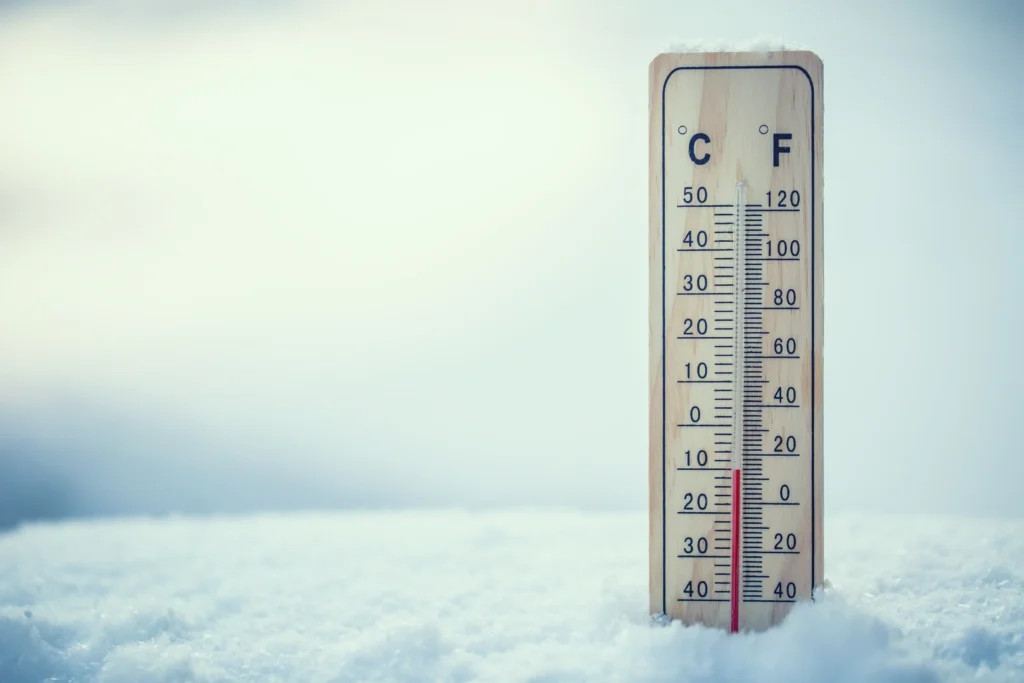
 To get your lawn ready for cold weather, there are 8 must-do tasks you should complete. At Doctor’s Lawn and Landscape, we are committed to providing you with the expertise and solutions necessary for effective cold-weather lawn care. With over 30 years of experience in the Kansas City Metro Area and an award-winning reputation, our team is equipped to assist you with calm and confidence. Whether it’s aeration, fertilization, or controlling perennial weeds, our experienced professionals stand ready to ensure your lawn remains healthy throughout the colder months. We understand the importance of maintaining a healthy lawn, and we’re here to make sure it thrives when temperatures start to rise again.
For personalized assistance, feel free to reach out to Doctor’s Lawn and Landscape at 913-681-8041. Our award-winning team is ready to help you with all your cold-weather lawn care needs, ensuring your lawn remains in top condition all year long.
Why You Need to Prepare Your Lawn for Cold Weather
 Preparing your lawn for cold weather is essential to ensure its health and vitality throughout the colder months. As temperatures cool and the ground begins to freeze, grass growth slows, making it crucial to take proactive steps to protect your lawn. Proper cold weather preparation helps prevent soil compaction, which can hinder root development and lead to dead grass patches.
By taking the necessary steps, such as aerating, fertilizing, and managing weeds, you can maintain a healthy lawn that will recover quickly when early spring arrives. These tasks also help protect against common cold weather issues like snow mold and freeze damage, ensuring your grassroots remains healthy and strong.
Preparing your lawn for cold weather supports nutrient penetration and adequate moisture retention, which are vital for grass growth during the growing season. By investing time and effort into cold-weather lawn care, you’ll enjoy a lush, vibrant outdoor space when the warm sun returns.
Aerate Your Lawn for Healthy Roots
Aerating your lawn is an essential step in getting ready for cold weather. This process involves perforating the soil with small holes to allow air, water, and nutrients to penetrate the grass roots. Aeration prevents soil compaction, which can hinder root development and lead to a weaker lawn.
Aeration supports overall lawn health by improving air and water flow to the root system. It encourages the growth of beneficial microorganisms in the soil, which help break down thatch and organic matter, further promoting a healthy lawn. It also reduces thatch buildup, ensuring your lawn absorbs nutrients more effectively.
Aerate your lawn in early fall when the ground is still soft but not too wet for the best results. This timing allows the grass to recover and strengthen before the cold weather sets in. Your lawn will thank you with healthier roots and a lush appearance come spring.
Fertilize Before Freezing Temperatures
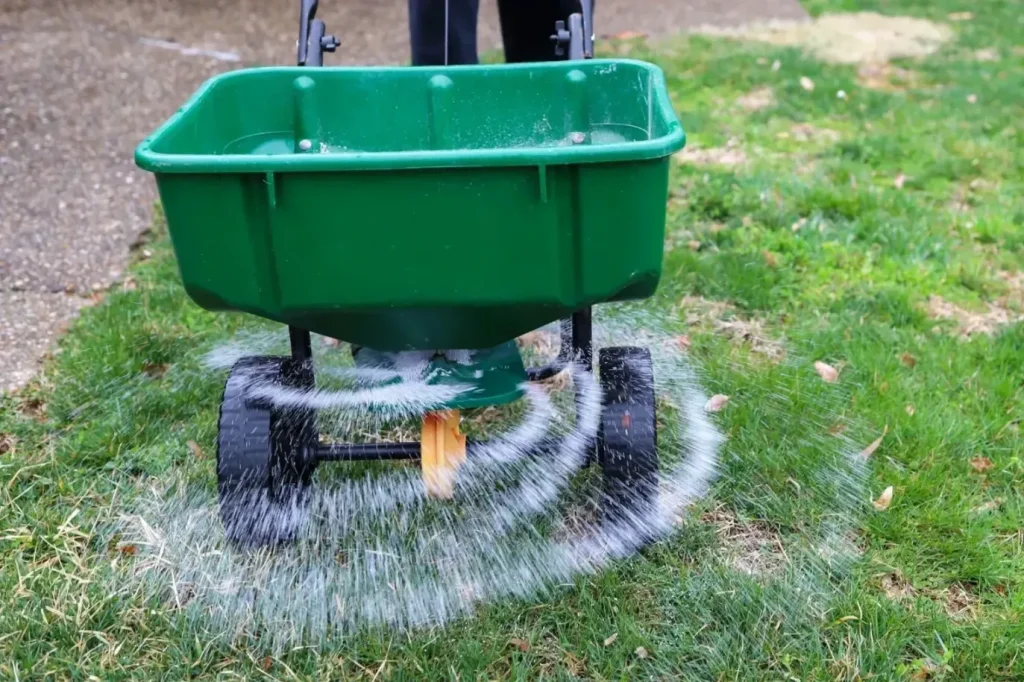 Applying fertilizer before freezing temperatures is another key step in cold weather preparation. Apply winterizing fertilizer from late October to late November, before the ground freezes. A slow-release fertilizer is recommended for late fall applications to ensure your lawn has access to nutrients throughout the cold weather.
Nitrogen is a key component of fall fertilization, as it promotes growth, color, and density in turf grass. Applying 1 to 1.5 pounds of nitrogen per 1,000 square feet of lawn will help build strong root systems and enhance overall lawn health. This preparation will make your grass more resilient during the cold weather months and ready for vigorous growth in early spring.
Fertilizing during dormancy prepares the lawn for robust growth when temperatures rise again. Enhancing nutrient reserves and strengthening grass blades ensures your lawn survives the cold months and thrives in the spring.
Overseed Bare Patches with Cool Season Grass
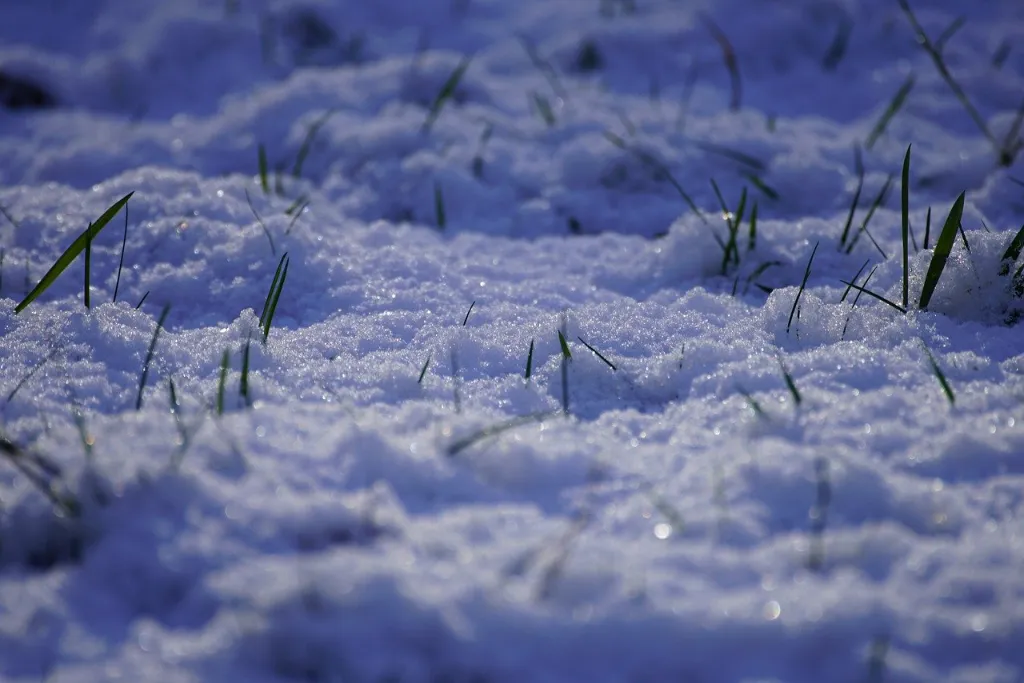 Overseeding is an effective way to address bare patches and repair summer damage, ultimately leading to a thicker, healthier lawn. The best time to overseed cool-season grass is in early fall when the weather conditions are just right – warm sun and cool air provide an ideal environment for grass seed to germinate.
Dethatch the lawn if there is more than half an inch of thatch before overseeding. Keep the soil moist by watering 1 to 1.5 inches weekly until the new grass seed germinates. Once the new grass reaches 3 to 4 inches in height, you can resume mowing.
Cool-season grasses like bluegrass and ryegrass are excellent choices for overseeding bare patches. These grasses are well-suited to cooler temperatures and will help your lawn recover from the summer heat and prepare for the cold weather.
Adjust Your Mowing Height Gradually
As cold weather approaches, gradually lowering your mowing height is essential for protecting your grass roots from cold and diseases. Avoid cutting the grass below 2 inches to prevent significant stress and hindered growth. Scalping the lawn, or cutting it too short, can also expose the soil to extreme temperatures and increase the risk of weed invasion, especially when grass growth slows.
Ensure that your final mowing of the season leaves the grass at a healthy height, which is around 2 to 2.5 inches tall. This practice will help protect the grass blades and roots, setting the stage for a healthy lawn when spring arrives.
Rake Fallen Leaves Regularly
 Raking fallen leaves regularly is essential for maintaining a healthy lawn. Leaves can smother the grass, inhibit growth, and increase the risk of diseases like snow mold if left unattended. Rake leaves and debris at least once a week during the fall to prevent these issues.
Before the first snowfall, make sure to remove all leaves, sticks, and other debris from your lawn. This will ensure that your grass remains free of any obstructions that could lead to soil compaction, root rot, or mold growth. Maintaining a clean lawn during fall helps it recover quickly in the spring and stay healthy through cold weather.
Accumulated debris leads to soil compaction, hindering root development and overall lawn health. By regularly raking leaves and maintaining a clean lawn, you’ll be taking an important step towards a lush, green lawn in the spring.
Winterize Your Irrigation System
Winterizing your irrigation system is a critical task to prevent serious and costly damage from cold weather temperatures. Drain the backflow and blow out the system with compressed air before the first hard frost. This process ensures that most of the water is removed from the pipes, preventing them from freezing and breaking.
Blow out any remaining water in the system with an air compressor to prevent freeze damage. It’s also essential to turn off the shut-off valves and release excess water before cold weather sets in. If you’re unsure how to winterize your sprinkler system, consider hiring an irrigation service to handle the task for you.
Properly winterizing your irrigation system will protect your investment and ensure that your lawn remains healthy and hydrated when the snow melts and spring arrives.
Wrap Newly Planted Trees
Wrapping newly planted trees protects them from cold weather damage. Cold weather sun and extreme cold can lead to sunscald and frost cracks, which can stress even hardy plants. Tree wrap shields the bark from harsh conditions, preventing these issues.
Apply tree wrap to young or newly planted trees with a trunk diameter of 6 inches or less, and consider wrapping trees with thin bark like Honey Locust and Crab Apple. Make sure to unwrap the tree wrap in May to avoid increasing insect infestations and disease. This simple step will help ensure your trees remain healthy and strong through the cold weather.
In addition, applying mulch and compost around trees and garden beds not only insulates root systems during cold weather but also enriches the soil, promoting stronger growth when spring arrives.
Control Perennial Weeds
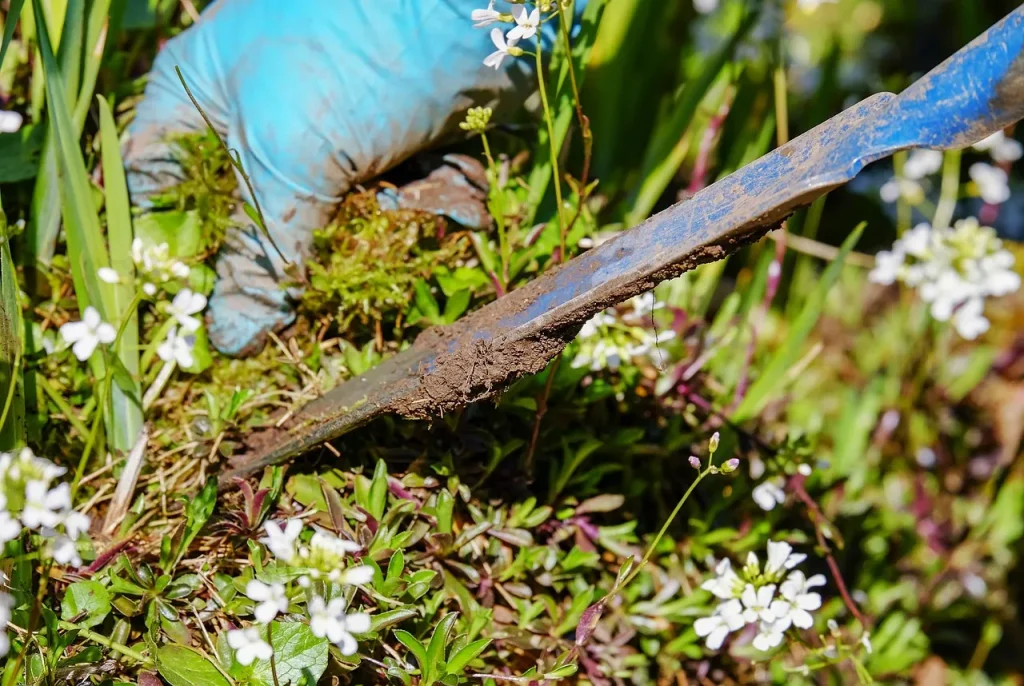 Controlling perennial weeds in the fall is crucial to prevent them from returning stronger next season. Addressing weeds before they go to seed can save you time and effort in the next growing season. Apply pre-emergent herbicides before weeds sprout to prevent their growth.
Manual removal of weeds can also be efficient, especially for those with shallow roots or contained growth patterns. Regular inspections of your garden can help identify and treat weeds before they have a chance to spread and seed. By alternately using different types of herbicides, you can enhance effectiveness against resistant weed species.
Maintaining a weed-free lawn will support healthy grass growth and ensure your lawn is ready for cold weather.
How Doctor’s Lawn and Landscape Can Help You
Doctor’s Lawn and Landscape is your go-to solution for mastering the essential tasks on how to prepare your lawn for cold weather: 8 must-do tasks. Our professional lawn care services, including aeration, fertilization, and more, ensure that your lawn remains healthy and vibrant through the cold months. With our expertise, you can prevent issues like snow mold and soil compaction, which are common during the cold weather season.
Choosing a professional lawn and landscape company like Doctor’s Lawn and Landscape offers numerous benefits. By entrusting us with your cold-weather lawn preparation, you ensure comprehensive care that promotes healthy roots, strong grass blades, and a lush lawn ready to thrive in early spring.
Don’t leave your cold-weather lawn care to chance. Call Doctor’s Lawn and Landscape today at 913-681-8041 to schedule your lawn evaluation and let us help you achieve a healthy, beautiful lawn all year long!