Harmonizing the New with the Old
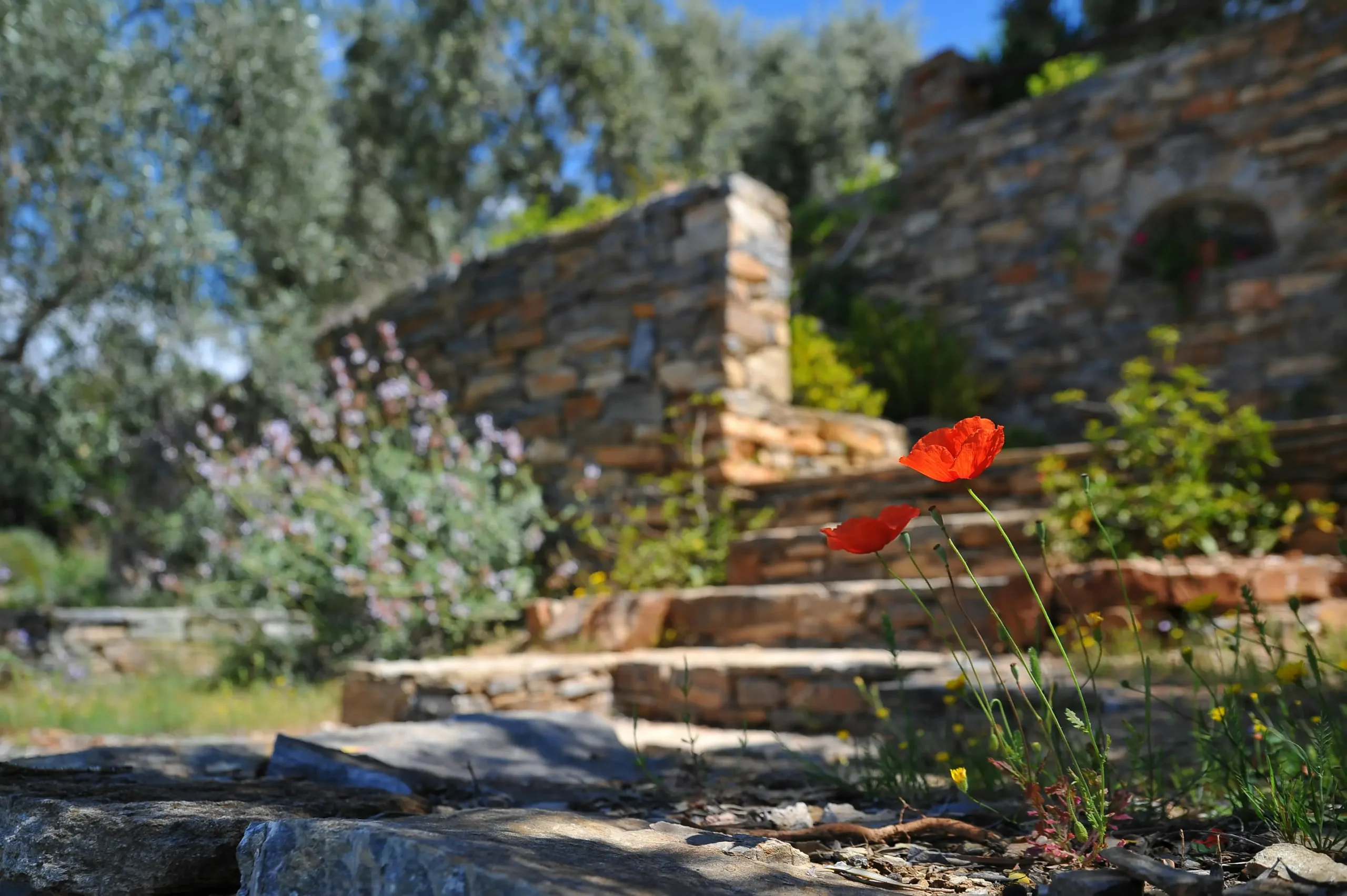
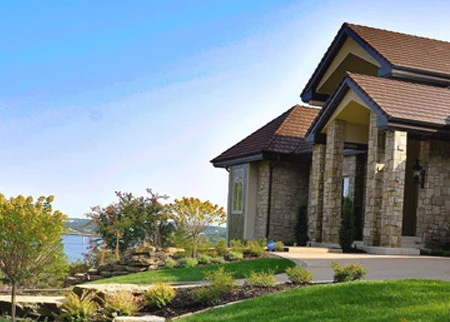
Absolutely! Incorporating existing elements into your new landscape design is not only possible, but it can also add a touch of personal history and uniqueness to your outdoor space. Whether it’s the charming old stone bench or the grand oak tree that has provided shade for generations, these elements can become integral parts of a refreshed landscape. Imagine the brick from a quaint garden path now repurposed into a rustic fire pit area or the vintage iron gate serving as a trellis for climbing roses. Blending the old with the new makes your outdoor space not just unique, but truly special.
Ready to see how your landscape features can play a new role in your updated garden design? With over 30 years of award-winning experience, Doctor’s Lawn and Landscape is poised to expertly craft a space that’s uniquely yours, blending history with modernity with unparalleled skill, call us today at 913-681-8041.
The Benefits of Incorporating Existing Elements
Incorporating existing landscape elements into your new design is merging past and present, creating a unique blend that tells a story of transformation. The benefits of this approach extend beyond aesthetics to practical aspects such as cost savings, sustainability, and preserving the character of your property.
The beauty of this approach lies in its simplicity and economy. By utilizing the basic elements and existing elements in your yard — everything from mature trees to weather-worn bricks — you can create a fresh, yet familiar, landscape design that incorporates natural elements. With the expertise of Doctor’s Lawn and Landscape, the result is a design that preserves the natural charm and identity of your property, while seamlessly integrating the old with the new.
Cost Savings
Every project comes with its budget constraints, and landscaping is no exception. When you reuse existing hardscape materials or incorporate mature plants that are already part of your landscape, you can achieve considerable cost savings. Mature plants, in particular, are a cost-effective choice over new, young plants that may require additional time and resources to establish.
The opportunity for cost savings doesn’t end there. Imagine repurposing timber from an old deck to construct a charming garden bench or raised garden beds. It’s not just about saving money; it’s about creating a landscape design that tells a story, one where every element has its place and purpose.
Preserving Character
Maintaining the unique character of your landscape is about recognizing and preserving those distinctive elements that contribute to its identity and charm.
This process involves a close evaluation from Doctor’s Lawn and Landscape of your current space usage, aesthetic goals, and user needs. By identifying the key features that contribute to your landscape’s character, we can ensure that your new design not only integrates these elements but accentuates their aesthetic qualities, creating a yard that is your vision and holds its original charm.
Assessing Your Existing Landscape
Before integrating existing elements into your new landscape design, a thorough assessment of your existing landscape is crucial. This involves a detailed inventory and analysis of your current landscape, considering factors like:
- Soil and topography
- Plants
- Sun/shade conditions
- Built features
- Activity areas
Understanding the specifics of your site — its soil type, topography, and the health of your plants — is essential to making informed design decisions. With Doctor’s Lawn and Landscape, these factors dictate the moisture and nutrients available for plants and influence their health and the site’s capacity for drainage.
Incorporating existing elements into a new design requires a careful consideration of various factors. These include:
- Your aesthetic preferences
- How you intend to use the yard
- Your maintenance style
- Budget constraints
- The existing landscape’s character
By taking all these into account, Doctor’s Lawn and Landscape can create a landscape design that is not just visually pleasing but also functional and sustainable.
Identifying Key Features
The unique charm of a landscape is a product of various interconnected characteristics. These features play a role in shaping the landscape’s identity including:
- Geology: The underlying rock formations and soil composition can dictate the type of vegetation that thrives and influences the overall look and feel of the garden.
Landform: The natural contours and shapes of the terrain can serve as a guide for the flow and structure of the landscape design, creating a sense of harmony with the natural environment.
Soils: The fertility and type of soil can affect which plants can be grown and how they will perform, impacting the color, texture, and health of the garden’s vegetation.
Vegetation: Existing plant life can provide a backdrop to the new design, with their mature sizes and shapes influencing the scale and spacing of new additions.
Land Use: The historical and current use of the land can inform the design by integrating traditional or functional elements that reflect the landscape’s heritage.
Doctor’s Lawn and Landscape identifying these key features is an essential step in preserving the unique character of your landscape during the design process. For instance, designing around existing large, mature trees involves considering the shade they cast and choosing shade-tolerant plants accordingly. Similarly, if you’re matching new patio materials with existing ones, the availability of the original materials is a critical factor to consider.
Evaluating Plant Health
Evaluating the health of your plants provides crucial insights into their viability for incorporation into the new landscape design. This step is not only about assessing current conditions but also about envisioning how the new design can enhance plant health and vigor. Plants in decline could be suffering from:
- Irrigation issues, like areas staying too dry or becoming too wet, which may result from poor watering coverage or drainage problems
- Incorrect planting depth, which can stress plants
- Incorrect amount of sunlight based on their specific needs, which may require relocating plants to areas with the correct amount of sunlight
Once these factors are identified, they can be addressed through thoughtful design choices. For example, the redesign might include improved irrigation strategies to resolve dryness or waterlogging, better placement to ensure appropriate sunlight exposure, and soil amendments to provide the necessary nutrients for plant recovery and growth.
Plant suitability for a specific region’s climate can be gauged using USDA’s interactive map to determine hardiness and heat zones. Doctor’s Lawn and Landscape can help you analyze physical or mechanical damage to plants, caused by foot traffic, vehicle activity, or construction, which is also crucial.
Insects like aphids, scale, mites, and beetles could impair a plant’s vitality without necessarily killing it, although severe infestations can lead to plant death. Diseases like leaf spot, bacterial root rot, and powdery mildew can range in severity, and some can be managed with resistant plant varieties or proper care facilitated by the expertise of Doctor’s Lawn and Landscape.
Considering Site Constraints
In the journey of integrating existing elements into your new landscape design, considering site constraints is crucial. For example, local zoning laws and homeowners association regulations may limit certain elements of landscape design, including the types of plants, fencing, and decorations that can be used, and should be taken into account.
Knowledge of the terrain, such as slopes and low-lying wet areas, is important for identifying and solving potential drainage challenges in landscape planning. The health of existing vegetation can indicate underlying soil conditions, which is crucial for determining the viability of incorporating these plants into a new landscape design.
Strategies for Integrating Existing Elements
Innovative integration of existing landscape components into a new design is an art as much as it is a science. Doctor’s Lawn and Landscape involves repurposing elements that you already cherish, transforming them into something new that still carries the essence of the original. Our team can help you identify and reimagine these pieces, ensuring that they not only fit into your new design but also enhance it.
For instance, existing structures can be enhanced with green roofs, distinctive tiles can be used outdoors, and grass steps can fashion functional, aesthetic areas. Different areas within the landscape can be defined using varied flooring materials, preserving existing landscape characteristics. Repetition of forms, textures, or colors can integrate the new with the old in a landscape design, creating a pattern throughout the space.
Even leftover bricks or stones from the existing landscape can be creatively turned into features like pathways, flowerbed edging, and water features by the creative team from Doctor’s Lawn and Landscape.
Repurposing Materials
The art of repurposing materials in landscape design is about seeing potential where others see waste, and the team at Doctor’s Lawn and Landscape excels in this craft. With vision and skill, we transform bricks, stones, and distinctive tiles into new pathways, patios, and garden features, such as a retaining wall, breathing new life into these elements. This not only adds function and decorative charm to your yard but also helps prevent soil erosion through structures like retaining walls.
Repurposing materials allows more of your budget to be allocated to other landscape enhancements as well as complimenting the existing landscape, creating a harmonious blend of the old and new that reflects your unique style and vision.
Transplanting Plants
Transplanting plants from one location to another is a delicate process that requires careful planning and execution, something that Doctor’s Lawn and Landscape specializes in. To minimize transplant shock, Doctor’s Lawn and Landscape ensures plants are well-hydrated before relocating them to help maintain root integrity. Keeping as much of the root system intact when transplanting is crucial, as is cleaning roots gently if the soil type changes to ensure better contact with the new soil. We choose optimal conditions for transplanting, such as cool, cloudy days or late afternoon, to lessen water loss and reduce stress on the plants. After transplanting, protect exposed roots and damaged tissues to promote healing and regrowth. With our team, your plants will be safely and carefully transitioned to their new location in your landscape design.
Practice post-transplant care by:
- Watering newly transplanted plants deeply and slowly
- Using natural mulch to encourage feeder root regrowth
- Avoiding pruning the top of the plant immediately after transplanting unless it’s necessary to prevent tipping over
- Ensuring continuous supplemental watering for at least three months post-transplantation for plant hydration.
After the careful process of transplanting plants, the guidance from Doctor’s Lawn and Landscape doesn’t just end. We continue to support you with post-transplant care, ensuring the health and stability of your relocated plants. Trust us to advise you on the best practices for watering, mulching, and the gradual acclimatization of your plants to their new environment. With our continued guidance, your transplanted greenery will flourish, becoming a seamless part of your landscape’s new chapter.
Enhancing Architectural Features
Enhancing architectural features in your existing landscape can add an extra layer of visual appeal and functionality. Old sheds or other structures can be enhanced with flowering green roofs, and incorporating hanging flowers or vertical gardens can draw the eye upward, improving the visual appeal of the existing architecture.
Hardscaping features that can be introduced to complement and accentuate existing architectural elements, using various hardscaping materials, include:
- Pergolas
- Seating areas
- Fire pits
- Outdoor kitchens
Plants can be strategically placed to accentuate architectural features and structures within the landscape, creating a harmonious blend of nature and architecture using plant material.
Working with a Professional Landscape Designer
Working with us at Doctor’s Lawn and Landscape can streamline the landscaping process, enhance efficiency, and ensure success. Our expertise and comprehensive services are at your disposal to realize your vision, circumvent costly mistakes, and optimize material usage.
Studies indicate that professional landscape design can significantly boost property value, with potential returns on investment reaching up to 20%. By partnering with us, the quality of your landscaping project is elevated through our wealth of creative ideas, our ability to sidestep common pitfalls, and our access to premium resources.
Customized Approach
At Doctor’s Lawn and Landscape, we understand that each client is as unique as the landscape they own. That’s why we adopt a tailored approach for every residential or corporate client, delivering a personalized experience that mirrors their individual needs, tastes, and the distinctive characteristics of their land.
We craft multiple conceptual design solutions, each carefully adjusted to your specific requirements and the unique features of your property. As landscape designers, our personalized approach allows for self-expression and transforms underutilized yard spaces into functional and aesthetically pleasing environments that resonate with your lifestyle and preferences.
Our approach is about creating a sense of place, with a landscape design that not only complements your home’s architectural style but also harmonizes with the neighborhood’s ambiance and the natural landscape that surrounds us.
Expertise and Experience
With over 30 years of expertise in creating award-winning landscape designs, we at Doctor’s Lawn and Landscape possess the knowledge and experience necessary to bring your vision to life. We service an extensive area, encompassing the Kansas City Metro Area, Lake of the Ozarks, and Overland Park, offering our expert services to a diverse range of locations.
Our long-standing presence in the industry has allowed us a profound understanding of the local climate, soil types, and plant life. This enables us to craft designs that are not only visually stunning but also sustainable and resilient. Our experience and expertise make us your skilled partner in weaving existing landscape elements into new, vibrant designs.
Comprehensive Services
At Doctor’s Lawn and Landscape, we are dedicated to offering comprehensive services that span the entirety of your landscape’s life cycle. Beyond crafting personalized designs, we provide meticulous maintenance services to preserve the health and aesthetics of your landscape post-implementation, ensuring your yard remains an exemplar of beauty through every season.
Choosing the right plants for your zone is a critical aspect of our service. We take great care to select flora that is not only compatible with the local climate but also complements and enhances your property’s natural charm, fostering a garden that flourishes and captivates.
But our commitment doesn’t end with the design and plant selection. We offer ongoing support and maintenance services, ensuring that every feature of your landscape, whether it’s a legacy tree or a newly installed water feature, receives the care it deserves. We pledge to provide a seamless and stress-free experience, with a spectrum of design and maintenance services available to our valued residential and corporate clients across the Kansas City Metro Area and beyond.
Ready to Transform Your Landscape?
Uncover the hidden charm of your outdoor space with us at Doctor’s Lawn and Landscape. If you’re ready to change the existing landscape into a visionary new design, or you’re starting from the ground up, we’re ready to actualize your dream. Reach out to us at 913-681-8041 and embark on a journey to a landscape that marries tradition with innovation, meticulously tailored for you by our team.
Frequently Asked Questions
What are the benefits of incorporating existing landscape elements into a new design?
Incorporating existing landscape elements into a new design not only offers significant cost savings by reducing the need for new materials, but it also contributes to sustainability by reusing resources. Additionally, it helps preserve the unique charm and character of your property, ensuring that the new landscape design is infused with a sense of personal history and continuity.
What factors should be considered when assessing my existing landscape?
When assessing your existing landscape, it is important to conduct a detailed inventory and analysis. This should include evaluating soil type, topography, plant health, and sun/shade conditions, as well as examining built features such as patios and pathways. A comprehensive understanding of these factors is essential for creating a landscape design that is both beautiful and functional.
Why should I consider working with a professional landscape designer?
Working with a professional landscape designer ensures that your outdoor space is not only aesthetically pleasing but also functional and sustainable. Their expertise allows for a design that truly reflects your personal style and complements your home’s architecture.
They know to select plants that will thrive in your specific climate and soil conditions, creating a lasting and beautiful landscape.
What services does Doctor’s Lawn and Landscape offer?
Doctor’s Lawn and Landscape offers comprehensive landscape design services tailored to your unique preferences and the specifics of your land. Our team of experts provides meticulous installation services, ensuring that every plant and hardscape element is perfectly placed for aesthetic appeal and longevity. In addition, we offer ongoing maintenance services to ensure that your garden remains a vibrant and inviting space throughout the changing seasons.