When it comes to transforming your backyard or garden into a tranquil oasis, the addition of garden structures such as pergolas and arbors can make a world of difference. But, what are pergolas and arbors? Not only do these structures provide a functional space for relaxation or entertaining, but they also add an element of architectural beauty that enhances the overall aesthetic of your outdoor space. Our award-winning team with over 30+ years of experience is here to bring your outdoor dreams to life.
At Doctor’s Lawn and Landscape, we specialize in creating bespoke garden structures that blend seamlessly with nature, offering a perfect balance of form and function. Whether you envision a cozy corner with a pergola draped in vines or an arbor framing a picturesque pathway, we’ve got you covered. Elevate your outdoor living experience with our expertise. Contact us today at 913-681-8041 to schedule a consultation and let’s craft the perfect garden retreat together. Your oasis awaits – call now to turn your vision into reality!
Defining Pergolas and Arbors
Imagine a sunny day, sitting under a beautifully crafted structure, surrounded by the gentle rustling of leaves and the sweet scent of blooming flowers. This is the experience offered by pergolas, outdoor structures featuring flat roofs and open sides. Their primary function is to provide a designated spot for seating while offering shade and structural support for climbing plants. Whether defining an outdoor living space, extending your backyard living area, or providing shade for a poolside lounge, pergolas serve as versatile garden structures that can enhance any outdoor space.
Alternatively, arbors add an ornamental touch to your garden or backyard. Smaller than pergolas, arbors feature arched or slatted roofs and are often used to enhance the entrance of a garden or a pathway. While they may serve as a sheltered area for seating, their primary function is to add an aesthetic appeal to the outdoor space. Depending on your outdoor space and personal preferences, either of these structures can add a fantastic touch to your garden.
Pergolas
Pergolas, often supported by four or more posts, serve as popular shade structures. They are designed to:
- Delineate outdoor environments
- Provide an open-air extension for backyard living spaces, pool decks, or sheltering walkways
- Create an expansive outdoor living space with a flat roof and open sides
- Be freestanding or attached to a home’s exterior wall, allowing for potential cost savings in construction
- Incorporate a trellis wall to allow climbing plants to create a natural canopy, improving the shade and aesthetic appeal of the outdoor living area.
The versatility of pergolas is a notable feature. They can be enhanced with a variety of options such as:
- Lighting
- Fans
- Heaters
- Solar panels
- Curtains
- Sun shades
- Canopies
This makes them a perfect fit for any outdoor living space. These structures can come in different sizes and be incorporated into a DIY kit. Whether your preference leans towards a rustic wood pergola or a chic metal one, endless customization options allow for the creation of ideal outdoor living spaces.
Arbors
Arbors are usually freestanding structures that serve as entryways to paths, gardens, or yards. They can provide a picturesque and welcoming touch to outdoor spaces. They are supported by small trellises on each side and feature either an arched or straight top. Arbors can function as small shelters for seating areas, serve as a decorative entryway into various sections of the garden, or delineate walkways or paths. The sides of an arbor can be designed as either open or covered with lattice or trellis work, creating a more enclosed feeling and providing support for climbing vines.
Although smaller than pergolas, garden arbors still offer an impressive entrance into your beautiful and tranquil backyard space, enhancing its aesthetic appeal. Whether you want to create a magical entryway to your garden or a cozy corner for relaxation, an arbor can be the perfect choice.
Even though pergolas are typically built with a flat roof and open sides, the lattice or trellis design of a pergola arbor with an arched roof can support climbing plants and vines, thus adding a touch of greenery to your outdoor space.
Materials and Design Options
When it comes to constructing pergolas and arbors, a variety of materials can be used. These include:
- Vinyl
- Aluminum
- cPVC
- Fiberglass
- Various metals
- Composites
- Wood
The choice of material will largely depend on your personal preferences, the desired aesthetic, and the climate conditions of your area. Understanding the unique characteristics of each material can help guide your decision-making process.
Your pergola or arbor design can reflect the uniqueness of your garden. Beyond the choice of material, you can also customize the structure in terms of its shape, size, color, and additional features. These structures can cater to your preferences, whether that means a flat-roofed pergola for your patio or an arched arbor for your garden entrance. Consider incorporating additional features such as lights, fans, heaters, or curtains to enhance the functionality and aesthetic appeal of your pergola or arbor.
Common Materials
Pergolas and arbors can be made from a variety of materials, each with its own set of advantages and disadvantages. Some popular options include:
- Metal: provides strength and durability, offers a modern and stylish look, and is highly durable, but may require regular upkeep to prevent rusting.
Wood: known for its natural beauty and versatility, offers versatility and customization options, but requires regular maintenance services to prevent decay and wear.
Vinyl: a low-maintenance option, extremely durable, and requires minimal maintenance, making it a cost-effective option. However, it may not offer the same versatility and customization options as wood.
Consider your preferences and needs when choosing the material for your pergola or arbor.
Selecting the appropriate material for your pergola or arbor is crucial in ensuring the durability and longevity of the structure. Factors such as local climate, desired aesthetics, and maintenance requirements should be taken into account. Consider these factors when choosing the material for your pergola or arbor.
Design Customization
The opportunity for design customization is a significant advantage of integrating a pergola or arbor into your outdoor space. Color options for these structures can range from traditional whites and neutral tones to bold, vibrant hues. The choice of color can greatly influence the overall aesthetic of your outdoor space. For instance, a white pergola or arbor can give a classic, timeless look, while a bold color can create a striking focal point.
Design customization does not stop at color. You can also incorporate various enhancements to your pergola or arbor. For instance, you can train climbing vines to create a natural canopy for shade, add outdoor curtains for privacy, or install lighting for nighttime use. These features add not only functionality to the structure but also a touch of personality and style. Whether you prefer a simple, minimalist design or a more elaborate, ornate one, the design possibilities for pergolas and arbors are endless.
Plant Integration and Landscape Design
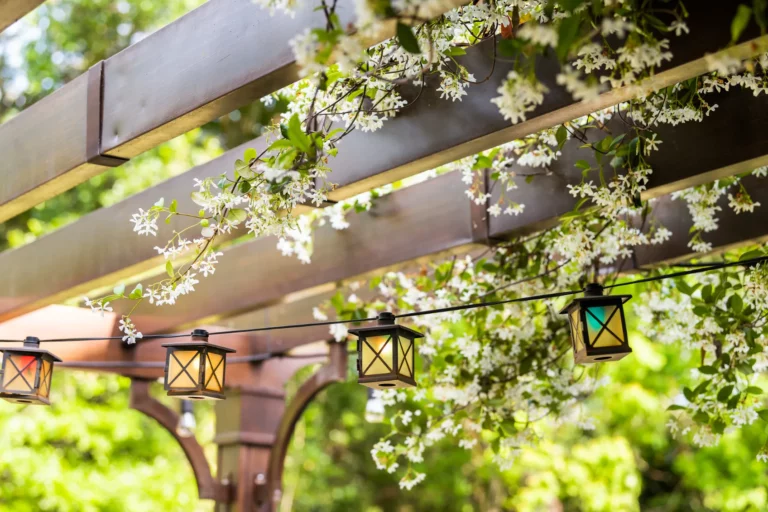
One of the unique benefits of pergolas and arbors is their ability to support climbing plants and vines. This not only enhances their aesthetic appeal but also provides a natural form of shade. However, it’s essential to consider the weight capacity of the structure and the maintenance requirements of the plants when integrating them into the design. Various plants can be suitable for pergolas and arbors, including:
- Honeysuckle
- Passion flowers
- Grapevines
- Climbing roses
- Jasmine
- Clematis
The decision to integrate pergolas or arbors into your landscape design necessitates careful planning and consideration. It’s important to ensure that:
- The structure is installed professionally for safety
- The right size and location are chosen
- The design and materials used are in harmony with the surrounding landscape
Furthermore, considering the desired amount of shade and the specific climatic conditions of your area can help maintain the beauty and functionality of your pergola or arbor for many years.
Supporting Vines and Climbing Plants
Pergolas and arbors can serve as excellent supports for a variety of climbing plants and vines. However, it’s importa
nt to consider the environmental conditions, the hardiness zone of the area, and the strength of support required for larger vines when selecting plants. These plants not only enhance the aesthetic appeal of the shade structure but also provide a natural form of shade.
The increasing weight of maturing climbing plants can significantly impact the structural integrity of pergolas and arbors. Therefore, it’s crucial to ensure a robust construction capable of supporting heavier foliage. Regular trimming is necessary to manage the weight and prevent overburdening the structure. Additionally, vines and climbing plants can be trained by gently attaching them to the structure using string or plant ties. Regular pruning encourages growth in the desired shape and direction, ensuring effective and aesthetically pleasing coverage of the pergola or arbor.
Landscape Design Considerations
Several key factors warrant consideration when deciding on the placement of a pergola or arbor in your landscape design. These include:
- The layout of your yard
- The amount of sun exposure
- Your specific usage needs
- Your style preferences
Aligning the structure with the architectural style of your home, using materials that complement the surrounding landscape, and integrating it with other outdoor elements such as patios, decks, or seating areas can create a harmonious and aesthetically pleasing outdoor space. By thoughtfully designing your seating area, you can enhance the overall ambiance and functionality of your outdoor space.
While integrating a pergola or arbor into your landscape design can significantly enhance the aesthetic appeal of your outdoor space, it’s important to avoid some common mistakes. These include neglecting to hire a professional for installation and maintenance services such as Doctor’s Lawn and Landscape and failing to consider the function of the arbor. A properly installed pergola or arbor can not only enhance the beauty of your garden but also provide a functional space for relaxation and entertainment.
Installation and Maintenance Services
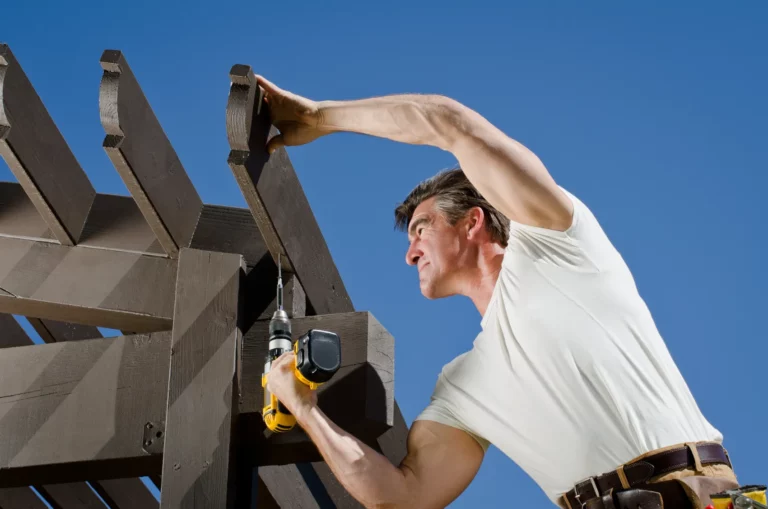
The installation of a pergola or arbor entails a series of steps such as excavating holes for the posts, and assembling the frame and roof, and often requires professional assistance from Doctor’s Lawn and Landscape. The installation process requires a range of specific tools, including a tape measure, hammer, level, electric hammer drill, concrete drill bit, wrench, and portable cordless drill. Whether you’re installing a large pergola or a small arbor, having the right tools and knowledge to assemble this freestanding structure can ensure a successful installation.
Maintenance of your pergola or arbor is equally important as its installation. Regular maintenance, including cleaning, occasional repairs, and inspections, is crucial in extending the lifespan of these structures. The maintenance requirements can vary depending on the material used. For instance, wooden pergolas and arbors may require regular staining or painting to prevent decay and maintain their appearance. On the other hand, metal structures may need to be checked regularly for rust and repaired as necessary.
Installation Process
Careful planning and execution are necessary for the installation process of pergolas and arbors. The first step is to gather all the necessary tools, including:
- Circular saw
- Belt sander
- Clamps
- Combination square
- Corded drill
- Countersink drill bit
- Trowel or shovel for digging post holes
Once you have all the necessary tools, you can begin the installation process.
Several factors warrant consideration when selecting a location for your pergola or arbor. These include the layout of your yard, the amount of sun exposure, and your specific usage needs. The posts of your pergola or arbor, whether you choose a design with two or four posts, should be dug to a depth of approximately twelve inches below the frost line to prevent heaving and displacement due to seasonal freezing temperatures. This ensures the stability of the structure and prevents it from shifting or toppling over.
Maintenance Tips
To keep your pergola or arbor in good condition and extend its lifespan, maintenance is essential. Wooden arbors, for instance, should be painted or stained every 3-5 years to ensure their protection and upkeep. Regular cleaning can also prevent the build-up of dirt and grime that can damage the structure over time.
When it comes to staining your pergola, several products are recommended. Clear, semi-transparent, and solid stains can all be used, depending on the desired look and level of protection. Regular maintenance can significantly extend the lifespan of your pergola or arbor, ensuring that it remains a beautiful and functional part of your outdoor space for many years to come. Partnering with Doctor’s Lawn and Landscape can alleviate these burdens by relying on professionals.
Cost and Return on Investment
While the installation of a pergola or arbor may require a significant investment, it can yield long-term benefits. Pergolas, due to their larger size, typically cost more than arbors. On average, a pergola can cost around $4,000, while arbors can range from $100 to $5,000 or more. Pre-assembled pergola kits can cost between $1,500 and $2,500, and hiring a professional to install a pergola can add an additional $500 to $1,000 to the overall cost.
Despite the upfront costs, the addition of a pergola or arbor can enhance a home’s resale value. A well-constructed pergola or arbor can add aesthetic appeal to your property and make it more attractive to potential buyers. In areas with vibrant property markets, it is typically feasible to recoup nearly the entire investment cost. A substantial fiberglass pergola measuring 12 x 12 feet, for example, has the potential to significantly increase the resale value of a property.
Choosing the Right Structure for Your Outdoor Space
Several factors such as the intended purpose of the structure, the size of your space, and your budget influence the selection of the right structure for your outdoor space. Pergolas, with their larger size and potential for providing shade and gathering space including a bench or seating area, are well-suited for larger areas such as patios or decks where people spend extended periods. On the other hand, arbors, with their smaller size and decorative function, are typically more suitable for smaller spaces or garden pathways.
When selecting a pergola or arbor, consider factors such as the dimensions of the patio or deck it will cover, its orientation to the sun, and its aesthetic harmony with the surrounding area. Pergolas come in a range of sizes, from compact 9×9 or 10×10 foot structures for smaller spaces to larger dimensions for more expansive outdoor settings. Custom sizes are also an option. On the other hand, arbors are typically chosen based on the pathway or entrance they are intended to enhance.
DIY vs. Hiring a Professional
For experienced homeowners who relish the challenge and satisfaction of completing a project independently, DIY installation is a viable option. However, the installation of a pergola or arbor can be a complex task that requires specific tools and knowledge. Alternatively, numerous benefits come with hiring a professional to handle the installation. Professionals at Doctor’s Lawn and Landscape possess the expertise, understanding, and proficiency necessary to ensure accurate and effective installation. We can construct structures that are customized to meet your specific requirements and preferences, saving you time and ensuring high quality and longevity.
If you opt for the DIY route, having a range of tools and materials is essential, including a tape measure, hammer, screwdriver, caulk gun, square, cordless drill, extension cord, hole saw kit, jigsaw, level, suitable lumber like 6×6 posts and 2x10s for beams, concrete mix, deck screws, bolts for attaching to existing structures, and gravel. The process of installing a pergola involves laying out all the pieces and placing the beams and posts according to the design.
For an arbor, it entails selecting the wood type, digging holes for the posts, cutting the lumber and spindles to size, and then assembling the sides and other pieces to form the structure.
How Doctor’s Lawn and Landscape Can Help You
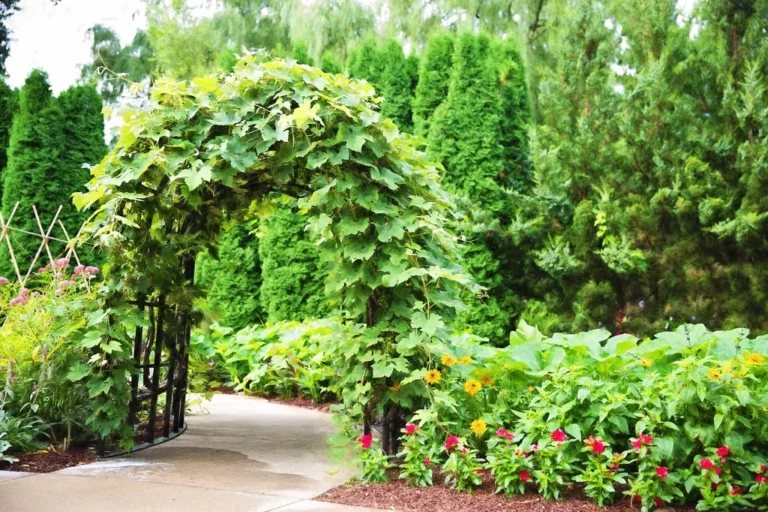
Adding a pergola or arbor to your outdoor space can transform it into a beautiful, functional oasis. Whether you’re looking to create a shaded seating area, a decorative garden entrance, or a cozy corner for relaxation, these structures offer both aesthetic appeal and functionality. However, choosing the right structure, material, and design for your space requires careful planning and consideration. With over 30+ years of experience, Doctor’s Lawn can guide you through the process, ensuring the perfect addition to your landscape. Whether you decide to take on the project yourself or prefer the expertise of professionals, investing in a pergola or arbor can enhance your outdoor living experience and potentially increase the resale value of your home.
Doctor’s Lawn and Landscape offers a range of services for residential and corporate clients, including:
- Grass cutting
- Mulching
- Chemical applications for lawns, shrubs, and trees
- Indoor plant management
We adopt a customized approach for each client, working closely with you to understand your requirements and transform your outdoor space aspirations into reality. Whether you’re considering adding a pergola or an arbor to your landscape, we aim to be a real resource for all your lawn and landscaping needs.
It’s easy to get in touch with us. You can visit our website at https://doctorslawn.com/ or call us at 913-681-8041 for any inquiries or assistance with your landscaping requirements, including the integration of pergolas and arbors. Our team of professionals is always ready to provide expert advice and customized solutions to help you create the perfect outdoor space.
Frequently Asked Questions
What’s the difference between an arbor and a pergola?
Arbors act as doorways and guides, while pergolas function as larger living spaces with amenities like seating, TVs, and fireplaces. Arbors have two or four posts and a slatted, arched roof, while pergolas typically have four or more posts and a flat roof, with open sides or lattice coverings.
What is the purpose of an arbor?
The purpose of an arbor is to provide shelter, privacy, shade, and serve as an accent in a landscape or garden. It can also support colorful and fragrant vines, blending in with the landscape or separating different garden areas.
What is the purpose of a pergola?
The purpose of a pergola is to provide shade and create a central gathering place for friends and family, making it an attractive addition to any outdoor event or garden.
What materials are commonly used to construct pergolas and arbors?
Pergolas and arbors are commonly constructed from wood, vinyl, composite, and metal, each with its own advantages and disadvantages. Choose a material based on your preference and the specific requirements of your project.
Can I install a pergola or arbor myself?
Yes, you can install a pergola or arbor yourself with the right tools and knowledge, but hiring a professional from Doctor’s Lawn and Landscape can ensure a safer and more accurate installation.