 If you’re tired of battling stubborn weeds in your garden, you’re not alone. Weeds can be incredibly persistent and challenging to eradicate, often outcompeting your plants for essential resources. Fortunately, there are effective strategies to help you regain control of your garden.
Here are the seven proven strategies for dealing with stubborn weeds:
- Understanding stubborn weeds
- Manual removal techniques
- Chemical weed control
- Natural weed killers
- Mulching and ground cover
- Preventive measures
- Maintaining soil health
Let Doctor’s Lawn and Landscape take care of removing your weeds for you. With over 30 years of experience and award-winning services in the Kansas City Metro Area, our team of experts is dedicated to providing you with a lush, healthy, and weed-free lawn. Contact us today at 913-681-8041 to learn more about our comprehensive weed control and lawn care services. Don’t let weeds take over your garden—trust the professionals at Doctor’s Lawn and Landscape to keep your outdoor space looking its best.
1. Understanding Stubborn Weeds
Weeds are not just annoying; they are resilient adversaries that compete aggressively with your plants for space, water, and nutrients. Some produce over 500 seeds per plant each year, with seeds that can stay dormant for up to 60 years. No wonder they keep coming back!
Weeds are often referred to as ‘Pioneer Plants’ because their natural role is to colonize bare soil and prevent erosion. The unique characteristics of perennial weeds and the role of their deep root systems in their persistence will be explained in this part of the article.
Identifying Perennial Weeds
Unlike annual weeds that complete their life cycle in one year, perennial weeds come back year after year, making them harder to eradicate. In the Midwest, you may encounter perennial weeds such as common milkweed, which has broad leaves and clusters of pink flowers, and field bindweed, characterized by its arrow-shaped leaves and white or pink funnel-shaped flowers.
Early recognition of these stubborn weeds allows for more effective measures to be taken to remove them, preventing them from overshadowing your desired plants.
Deep Root Systems
One of the main reasons stubborn weeds are so persistent is their deep root systems. These roots not only make weeds harder to pull out but also help them survive in tough conditions by accessing moisture and nutrients from deeper soil layers. In nature, these deep roots play a beneficial role by loosening compacted soil and bringing up valuable minerals. However, in your garden, they make killing weeds a daunting task.
2. Manual Removal Techniques
Manual removal techniques are often the first line of defense against small weed infestations. While seemingly simple, pulling weeds by hand can be incredibly effective if done correctly. The key is to always pull weeds when the soil is slightly moist, as this makes it easier to get the entire root system out. Grab each weed at its base and pull steadily to avoid breaking the roots.
Using the Right Tools
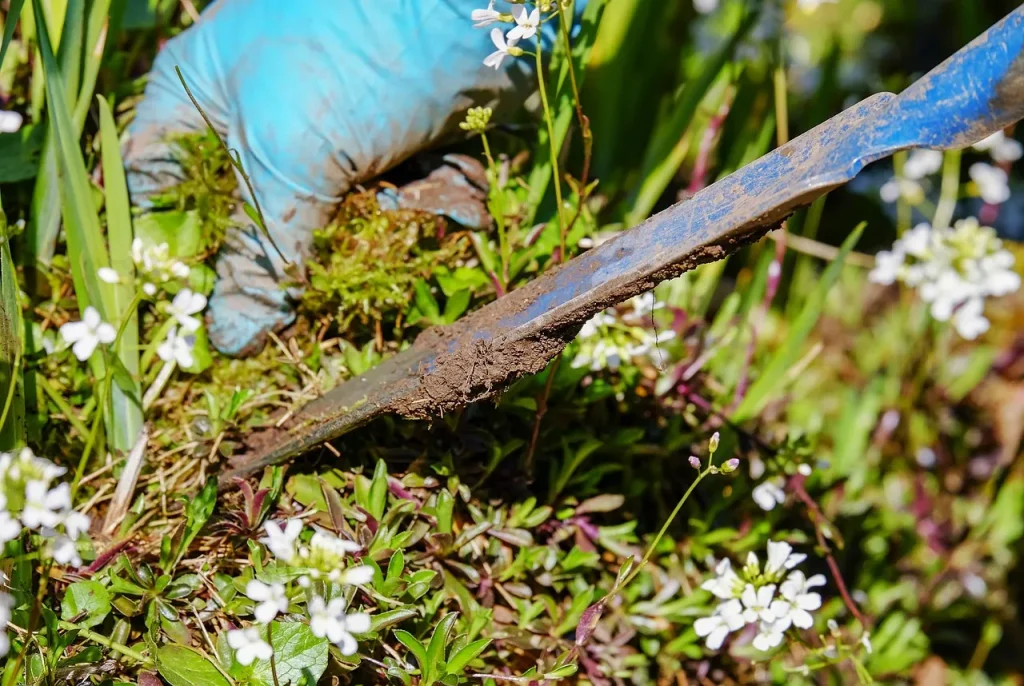
Using the right tools for weeding can save time and effort. Dandelion weeding tools and crevice weeders are particularly useful for efficiently removing weeds from your garden. These tools are designed to get deep into the soil and remove the entire root, which is essential for preventing weed regrowth. Investing in quality weeding tools simplifies the process and reduces the time spent on weeding.
Proper Pulling Techniques
The technique you use to pull weeds can significantly impact your success in removing them. The best time to pull weeds is after rain or after you’ve moistened the soil, as this softens the ground and makes it easier to extract the entire root system. Use shears to cut the weeds at the base if they are too tough to pull by hand. Proper pulling techniques ensure that you remove the root system, reducing the chance of the weeds growing back.
3. Chemical Weed Control
Sometimes, manual removal isn’t enough, and you need to turn to chemical weed control methods to tackle tough infestations. Chemical weed killers deal with persistent weeds that can’t be managed through manual techniques alone. Choose the right weed killer and apply it safely to avoid harming other plants and the environment.
Selecting the Right Weed Killer
Choosing the right weed killer depends on the types of weeds you’re dealing with and the turfgrass species you have. Selective herbicides target specific weeds without harming your desirable plants, making them an excellent choice for lawn weeds. For example, glyphosate, found in products like Roundup, is effective against nearly all plant material and is often used for tough perennial weeds like oxalis.
Always read the label and ensure the herbicide is suitable for your specific needs.
Safe Application Practices
Applying chemical weed killers requires careful attention to prevent harm to other plants and the environment. Here are some tips to follow:
- Spray weed killers on non-windy days to prevent drift and ensure targeted application.
- Always follow the manufacturer’s instructions.
- Use protective gear to safeguard yourself and your garden.
Adherence to safe application practices allows for effective weed control without causing unintended damage.
4. Natural Weed Killers
For those who prefer a more natural approach, natural weed killers offer alternatives to chemical methods. These solutions are not only effective but also safer for children and pets. Natural weed killers can be made from common household items like vinegar and boiling water, providing a non-toxic way to combat weeds.
Vinegar Solution
A vinegar-based solution is a powerful and non-toxic weed killer. Here’s how to make a homemade weed killer using vinegar:
- Mix a gallon of white distilled vinegar with a cup of salt.
- Add a tablespoon of dish soap to the mixture.
- Stir the solution well to ensure that the salt dissolves.
- Transfer the solution to a spray bottle.
- Spray the solution directly on the weeds, making sure to cover the leaves and stems thoroughly.
- Avoid spraying the solution on surrounding plants, as it can harm them.
Using this vinegar-based weed killer can help you effectively get rid of weeds without using harmful chemicals. This method is particularly useful for areas you plan to replant, as it leaves no harmful residues.
Boiling Water Method
Pouring boiling water over weeds is another non-toxic method that kills everything it touches. This technique is especially effective for small plants and weeds growing in mulch beds or patio areas where precision isn’t critical. Using an electric kettle can help control the flow of boiling water, making the process safer and more efficient. Be careful to avoid scalding yourself or damaging nearby plants.
5. Mulching and Ground Cover
Mulching and ground cover strategies are excellent for suppressing weed growth while enhancing the health of your garden. Mulch helps retain moisture, prevent erosion, and serve as a barrier against weeds.
Ground cover plants have several benefits, including:
- Blocking sunlight, which is essential for weed germination, effectively reduces weed proliferation
- Preventing soil erosion
- Conserving moisture in the soil
- Improving soil fertility
- Enhancing the aesthetic appeal of your garden
Types of Mulch
Choosing the right type of mulch can significantly impact your garden’s health. Organic mulches like grass clippings, straw, and bark chips help retain moisture, reduce soil erosion, and provide valuable nutrients to plants. Inorganic mulches, such as stones and plastic, also serve as effective weed barriers but don’t offer the same soil enrichment benefits. Understanding the pros and cons of each type can help you make an informed decision for your garden.
Planting Ground Cover
Planting ground cover is a highly effective strategy for weed control. Ground cover refers to low-growing plants that spread quickly to form a dense layer over the soil.
Ground cover plants offer several benefits:
- They help crowd out weeds and block sunlight from reaching them, preventing weed seeds from germinating.
- They enhance the overall aesthetic of your garden.
- They reduce soil erosion and conserve moisture.
- They provide habitat for beneficial insects and wildlife.
By planting ground cover in your garden beds, you can enjoy a weed-free garden while also improving its beauty and ecological value. A healthy lawn with proper ground cover can obstruct weed growth by shading the soil and competing for resources like sunlight, water, and nutrients.
6. Preventive Measures
Preventive measures are essential for keeping weed infestations under control in the long term. Here are some steps you can take:
- Apply pre-emergent herbicides to stop weed seeds from germinating.
- Conduct regular maintenance services to keep your lawn healthy and prevent weed growth.
- Properly dispose of weeds to prevent them from spreading.
- Continuously monitor your lawn for any signs of new weed growth.
By following these steps, you can effectively prevent weed seeds and control weed infestations.
Pre-emergent Herbicides
Pre-emergent herbicides should be applied before weeds start to sprout for the best results. Products like Preen Weed Preventer can stop the germination of over 100 varieties of weeds, including dandelions and pigweed. Applying these herbicides in early spring, around the time forsythia bushes bloom, can create an effective barrier against weed seeds.
This proactive approach helps prevent weeds and maintain a weed-free garden throughout the growing season.
Regular Maintenance Services
Regular maintenance services are essential for long-term weed control success. Conducting regular weed inspections allows for early detection and prompt removal of weeds, preventing them from advancing to more serious infestations. Reapplying pre-emergent herbicides once or twice a year, as recommended, ensures continuous protection.
7. Soil Health and Maintenance
Maintaining soil health is a vital component of effective weed control. Healthy soil with balanced soil nutrients can naturally reduce weed problems, as many weeds struggle to thrive in such conditions. Additionally, minimizing soil disturbance helps prevent bringing more weed seeds to the surface, reducing the chance of new weeds taking root.
Adding Organic Matter
Adding organic matter to your soil improves its fertility and structure, supporting healthy plant growth and reducing weed pressure. Compost and organic mulch are excellent sources of organic matter that enrich the soil and help retain moisture.
By regularly adding organic matter, you can create a more favorable environment for your desired plants while inhibiting weed growth.
Minimizing Soil Disturbance
Minimizing soil disturbance is key to preventing weed seed germination. Tilling the soil can expose weed seeds to light, which many need to start the germination process. Practices like the No-Dig Gardening Method involve minimal soil disturbance and the use of organic mulch to prevent weed sprouting.
By adopting such methods, you can maintain a healthier soil environment and reduce the prevalence of weeds in your garden.
How Doctor’s Lawn and Landscape Can Help You
Dealing with stubborn weeds can be a daunting and time-consuming task, but that’s where Doctor’s Lawn and Landscape steps in. Our comprehensive weed control services are designed to take the burden off your shoulders, ensuring your lawn remains lush, healthy, and weed-free.
Expert Weed Identification and Treatment
Our team of professionals is skilled in identifying different types of weeds, including the most persistent perennial varieties. We use targeted treatments to address specific weed problems, ensuring that each weed is effectively eradicated without harming your desirable plants.
Tailored Weed Control Solutions
We understand that every lawn is unique, which is why we offer customized weed control plans tailored to your specific needs. Whether you prefer organic solutions or need stronger chemical treatments, we’ve got you covered.
Preventive Measures and Maintenance
To prevent future weed infestations, we implement preventive measures such as pre-emergent herbicide applications and regular lawn maintenance services. Our ongoing support ensures that weeds stay away, giving you peace of mind and more time to enjoy your beautiful garden.
Comprehensive Lawn Care Services
In addition to weed control, Doctor’s Lawn and Landscape offers a full range of lawn care services, including fertilization, aeration, and soil health improvement. Our holistic approach ensures that your lawn remains in top condition, reducing the likelihood of weed problems in the future.
Let Doctor’s Lawn and Landscape handle the hard work of weed control so you can sit back, relax, and enjoy a pristine, weed-free lawn. Contact us today by calling 913-681-8041 to learn more about our services and how we can help keep your garden looking its best.
Frequently Asked Questions
How often should I apply mulch to deal with weeds?
Applying mulch once or twice a year is generally sufficient to maintain its weed-suppressing benefits. The best times to mulch are in the spring and fall. Spring mulching helps retain moisture and suppress weeds, while fall mulching protects the soil and plant roots during the winter.
Can I use household items to make my own weed killer?
Yes, you can use household items like vinegar and salt to create an effective, natural weed killer. Mixing a gallon of white vinegar with a cup of salt and a tablespoon of dish soap creates a powerful solution. Spray this mixture directly on weeds, but be careful to avoid contact with desirable plants.
What are the benefits of using ground cover plants to control weeds?
Ground cover plants offer several advantages for controlling weeds in your garden. They help suppress weed growth by blocking sunlight, which is essential for weed germination. Additionally, they prevent soil erosion, conserve moisture, and enhance the aesthetic appeal of your garden.
How do I know if I need chemical weed control?
If manual and natural methods are not effectively managing your weed problem, it might be time to consider chemical weed control. Persistent weeds with deep root systems often require stronger measures. Always follow the manufacturer’s instructions and consider consulting a professional for safe and effective application.
What should I do if I accidentally harm my plants with weed killer?
If you accidentally harm your plants with weed killer, immediately rinse the affected area with plenty of water to dilute the chemicals. Trim any damaged leaves or stems to encourage new growth. Monitor the plants closely over the next few weeks and provide extra care, such as proper watering and fertilization, to help them recover.