 Are you concerned about how your lawn will handle the cold winter months and still be ready to flourish in spring? You’re not alone. Many homeowners worry about keeping their lawns healthy during the winter season. At Doctor’s Lawn and Landscape, we understand these concerns and are here to help with straightforward solutions. Our goal is to support you in maintaining a lush, healthy lawn in spring with our years of experience and knowledge of winter lawn care.
We offer five key winter lawn care services to protect and care for your lawn during the colder months. From the final mow and clearing debris to aeration and overseeding, we have the know-how to keep your lawn in great shape. Our services are designed to meet your lawn’s needs, ensuring it’s ready for the growing season.
Ready to care for your lawn? Call Doctor’s Lawn and Landscape at 913-681-8041 today. With over 30 years of award-winning experience in the Kansas City Metro Area, we’re here to help with all your winter lawn care needs, ensuring a beautiful and healthy yard all year long.
Why Is Winter Lawn Care Important for Spring?
Winter lawn care is crucial for setting the stage for a healthy, vibrant lawn in spring. Proper care during the colder months can significantly impact your lawn’s ability to thrive once the growing season begins. One of the primary benefits of winter lawn care is its role in promoting healthy growth. By following essential winter lawn care tips, you ensure that your grassroots remains strong and well-nourished, ready to support new growth as temperatures rise.
Additionally, winter lawn care helps reduce weeds. By taking proactive measures, such as applying herbicides and maintaining a clean yard, you minimize the chance of weeds taking hold in your lawn. This not only saves you time and effort in the spring but also ensures that nutrients are directed toward your grass rather than unwanted plants.
Preventing lawn diseases is another critical aspect of winter lawn care. Snow mold, for example, can wreak havoc on a lawn if not properly managed. Expert advice suggests keeping your lawn clear of debris and maintaining an appropriate grass height to mitigate the risk of disease. Lawns that receive proper winter care are 30% more likely to remain disease-free than those that do not.
Incorporating these practices into your winter routine ensures your lawn is well-prepared to flourish in spring. By investing time in winter lawn care, you lay a solid foundation for a healthier lawn, reducing the need for extensive interventions when the weather warms up.
Final Mow and Debris Removal
 The final mow of the season is more than just a last trim before winter—it’s essential for a healthy lawn. Cutting your grass to the right height helps prevent snow mold and other diseases. Lowering your mower blades by half an inch for the final mow achieves the optimal grass height for winter, typically around 2.5 inches.
Ensure your mower blades are sharp to achieve a clean cut. Dull blades can tear the grass, making it vulnerable to diseases and pests. Cutting the grass shorter reduces the risk of matting under snow, which can lead to snow mold. This simple step significantly impacts your lawn’s health in spring.
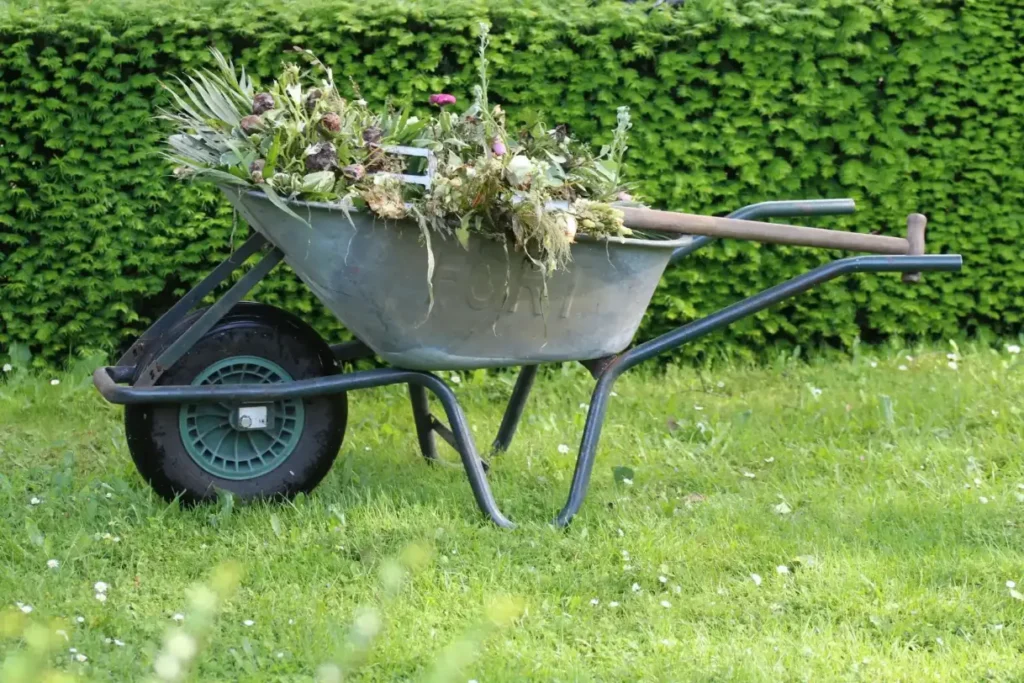
Removing leaves and other debris is equally important. Wet leaves can invite disease, so clear them away during the fall. A clean lawn is less likely to harbor pests and diseases, ensuring a healthier lawn in spring.
Performing a final mow and removing debris sets the stage for a lush, green lawn in spring. This preparation is the foundation for other winter lawn care efforts.
Aeration and Overseeding
Aeration and overseeding are powerful techniques to boost your lawn’s health before winter. Aeration creates small holes in the soil, improving airflow, water, and nutrient absorption. This is especially beneficial for cool-season grasses, promoting root development before the ground freezes.
Overseeding involves spreading grass seed over existing turf to fill bare spots and enhance lawn density. This is best done in the fall with cold weather grass seed to ensure new grass takes root before winter. Combining aeration and overseeding improves your lawn’s health and appearance by filling thinning areas and promoting robust growth.
Regular aeration and overseeding prevent soil compaction and maintain grass vitality. The benefits are often noticeable within weeks, as the lawn looks fuller and more vibrant. Focusing on these practices in the fall gives your lawn the best chance to thrive through winter into spring.
Winter Fertilization
Winter fertilization prepares your lawn for the cold months ahead by strengthening grassroots and enhancing nutrient absorption during dormancy. A winterizing fertilizer should be rich in potassium, supporting grass health during dormancy. Nitrogen is also vital, improving root strength and nutrient storage. Applying fertilizer in late fall ensures maximum effectiveness and prepares the lawn for winter.
Timing your fertilization is crucial. Applying it too early or too late can reduce its effectiveness. Fertilize just before the ground freezes, allowing the grass to absorb and store nutrients for winter and early spring.
Customized fertilization plans that consider local soil conditions and grass types yield the best results. Fertilizing your lawn before winter ensures it has the strength and nutrients to survive the cold and emerge healthy and vibrant in spring.
Protecting Grass from Heavy Snowfall
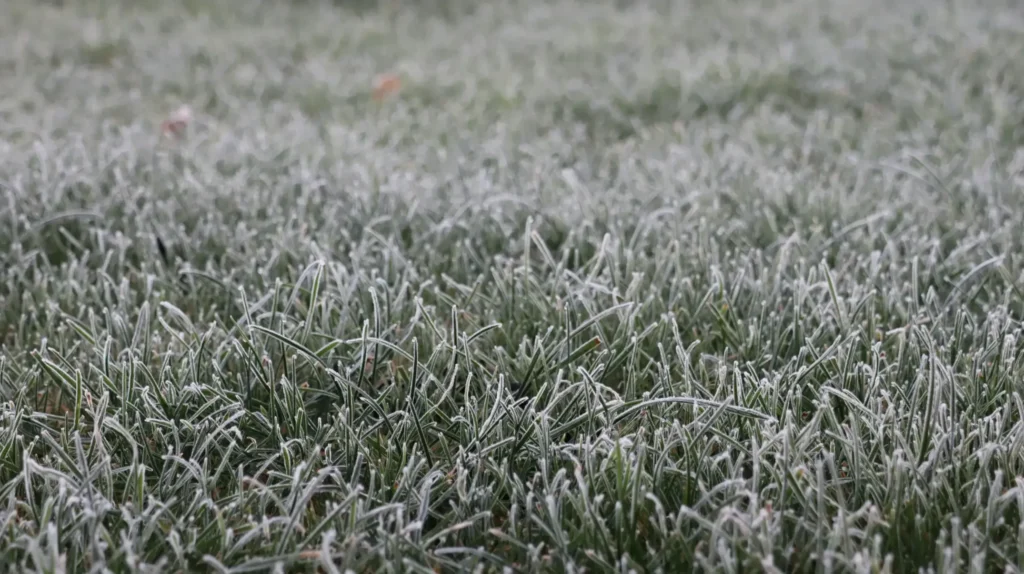
Heavy snowfall poses significant challenges for your lawn, but the right precautions can minimize damage. Cool-season grasses are better equipped to handle cold weather during the cold season but can still suffer winter damage without proper care. A thick layer of ice can suffocate grass by cutting off its oxygen supply, potentially leading to death over weeks or months.
Snow mold is a common winter issue that can damage or kill grass. Avoid shoveling snow onto your lawn and keep paths clear to protect the grass from regular traffic and snow piles. Limiting foot traffic also helps prevent soil compaction and damage to grass crowns.
Winter desiccation, caused by cold, dry winds depleting moisture from the grass, can be another problem. Monitoring and breaking up ice if necessary can mitigate extreme winter weather effects. Staying updated on local conditions is crucial as extreme weather can harm the lawn. Taking these steps protects your grass from heavy snowfall and ensures quick recovery in spring.
Pruning and Mulching
Winter is ideal for pruning trees and shrubs in early winter. During dormancy, it’s easier to assess their structure and make precise cuts. Pruning in winter also enhances spring appearance as trees recover quickly and are less susceptible to diseases prevalent in warmer months.
Mulching is another crucial winter lawn care practice. Mulch in garden beds insulates roots and retains soil moisture, protecting plants from harsh winter conditions. It’s especially beneficial for native plants, which are more resilient to local winter conditions and thrive with adequate mulching.
Apply mulch at the right depth for optimal growth. This practice protects roots and prepares plants for new growth in spring. Combining pruning and mulching creates a healthier environment for your plants and trees to flourish.
What Are the Benefits of Winter Lawn Care Services?
 Engaging professional winter lawn care services offers numerous advantages that go beyond basic maintenance. One of the primary benefits is the significant amount of time saved. Expert lawn care providers handle all aspects of winter preparation, allowing homeowners to focus on other responsibilities without compromising the health of their lawns.
Professional services also bring expert techniques to the table. Specialists in winter lawn care are equipped with the knowledge and tools to implement effective strategies that address the unique challenges posed by the cold months. From precise mowing and debris removal to advanced aeration and overseeding, these techniques ensure that your lawn receives the comprehensive care it needs.
Professional lawn care services guarantee that your lawn is prepared to thrive in spring. By employing targeted fertilization and protection measures against heavy snowfall and ice, experts help maintain the strength and resilience of your grass roots. This preparation not only supports healthy new growth as the weather warms but also reduces the likelihood of encountering weeds and diseases.
Ultimately, investing in professional winter lawn care services results in a healthier lawn that is well-equipped to flourish when the growing season begins. This proactive approach lays the groundwork for a lush, vibrant yard that enhances your property’s aesthetic and value.
How Doctor’s Lawn and Landscape Can Help You
Doctor’s Lawn and Landscape is your trusted partner for ensuring your lawn remains healthy and vibrant throughout the winter months, setting the stage for a flourishing spring. With over 30 years of experience, we specialize in providing the essential winter lawn care services that every homeowner needs. Our expertise in final mowing, debris removal, aeration, overseeding, and fertilization ensures your lawn is well-prepared to withstand harsh winter conditions. Additionally, our expert pruning and mulching services protect your plants and trees, promoting robust growth when spring arrives.
Choosing a professional lawn and landscape company like Doctor’s Lawn and Landscape offers numerous benefits. Our customized approach caters to the specific needs of your lawn, leveraging our extensive knowledge to deliver results that exceed expectations. Whether you’re located in the Kansas City Metro Area, Lake of the Ozarks, or Overland Park, our team is ready to provide unparalleled service and support.
Don’t leave your lawn’s health to chance this winter. Contact Doctor’s Lawn and Landscape today at 913-681-8041 to ensure your yard is in expert hands. Let us help you achieve a beautiful, healthy yard year-round.