 Maintaining a beautiful lawn can be challenging for homeowners, with issues ranging from soil problems to pest infestations, these are the top 10 lawn care challenges:
- Understanding Your Soil
- Proper Lawn Mowing Techniques
- Effective Weed Control
- Watering Your Lawn Correctly
- Dealing with Lawn Diseases
- Pest Control Strategies
- Aeration and Overseeding
- Fertilizing for a Healthy Lawn
- Managing Shade and Sun Exposure
- Equipment Maintenance
At Doctor’s Lawn and Landscape, we understand these struggles and offer practical solutions to help you achieve a lush, healthy lawn. With over 30 years of experience and award-winning services in the Kansas City Metro Area, we are dedicated to transforming your lawn into a beautiful oasis. Ready to transform your lawn? Call Doctor’s Lawn and Landscape today at 913-681-8041 and let us handle your lawn care challenges with professional care.
1. Understanding Your Soil
A healthy lawn starts from the grassroots up. The key to robust root development and lush foliage lies in understanding your soil type and maintaining the appropriate pH level, which optimizes nutrient availability. Soil that is too acidic tends to compact more easily and has poor drainage, while alkaline soil, with its larger particles, drains better but retains less water and nutrients.
Determining your soil’s pH balance and other critical characteristics for lawn health necessitates conducting a soil test. By understanding whether your soil is acidic or alkaline, you can tailor your lawn care practices to meet its specific needs.
If your grass appears yellowish or pale green, this could indicate that the soil pH is outside the optimal range, with yellow signifying acidic soil and pale green indicating alkaline soil. Addressing these issues early on can prevent weed growth and ensure that beneficial soil microorganisms thrive, contributing to a vibrant and healthy lawn.
Doctor’s Lawn and Landscape can assist you with soil testing and offer expert recommendations to adjust your soil pH levels. Our professional services ensure that your lawn receives the precise care it needs, helping you achieve and maintain a lush, healthy lawn.
2. Proper Lawn Mowing Techniques
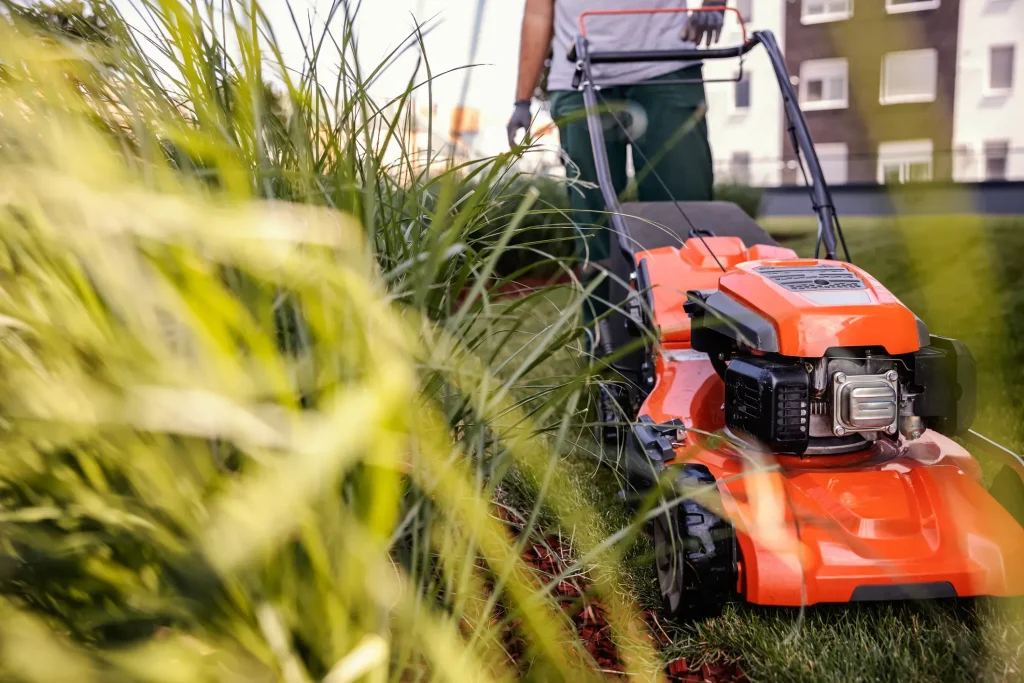
Maintaining a healthy lawn depends on employing proper lawn mowing techniques. The recommended mowing height for most grasses is between 2 to 3 inches. Maintaining a higher cut height promotes deeper root growth, which strengthens the lawn and makes it more resilient to drought and severe weather.
Seasonal adjustment of your mower height is an important task. Here are some guidelines to follow:
- Raise the mower height a notch on Memorial Day and again on July 4th to protect the grass during the hotter months.
- Lower it a notch on Labor Day and again on Columbus Day to prepare for the cooler weather.
- Additionally, you should mow your lawn weekly, but avoid cutting more than one-third of the grass blade height at any time.
Mulching your clippings can also benefit your lawn by reducing the amount of fertilizer needed by about 30%. This practice helps recycle nutrients back into the soil, promoting a healthier and more sustainable lawn. Remember to avoid mowing wet grass, as it can lead to uneven cuts and increase the risk of spreading lawn diseases.
Doctor’s Lawn and Landscape can take the hassle out of lawn mowing for you. Our professional team is well-versed in all aspects of lawn mowing, from setting the correct mower height to providing regular mowing services. With our experts handling your lawn mowing needs, you won’t have to worry about the proper techniques or seasonal adjustments. We ensure your lawn is cut to the optimal height, promoting healthier growth and resilience. Enjoy a lush, well-maintained lawn without the stress—let Doctor’s Lawn and Landscape do the work for you.
3. Effective Weed Control
To prevent weeds from taking over your lawn and creating unsightly patches of unhealthy grass, effective weed control is indispensable. Weeds thrive in soils with pH levels that are unfavorable for grass, so maintaining a balanced soil pH is critical.
Pre-emergent and post-emergent weed control strategies are key components of a comprehensive lawn care program. Here are some key points to remember:
- Pre-emergent treatments are applied before weeds become visible and are particularly effective against crabgrass.
- Post-emergent treatments target weeds that have already emerged.
- Common weeds such as crabgrass, dandelions, and clover can be managed effectively with these strategies.
Maintaining a dense, thick lawn is one of the best preventive measures for weeds. Regular hand weeding and proper lawn mowing also play significant roles in weed control. By keeping your lawn healthy and well-maintained, you can reduce the likelihood of weed infestations and enjoy a lush, green lawn.
Doctor’s Lawn and Landscape offers expert weed control services to keep your lawn pristine. Our professional team can handle all aspects of weed prevention and removal, ensuring your lawn stays free of unwanted plants. With our comprehensive approach, you can relax knowing your lawn is in good hands.
4. Watering Your Lawn Correctly
The health and longevity of your lawn depend on correct watering practices. Most lawns, including those in the Kansas City Metro Area, need about an inch of water per week, including rainfall. Overwatering can lead to fungal growth, weak roots, and pest problems, while under-watering can cause the grass to dry out and die.
The best time to water your lawn is early in the morning, between 5 and 10 a.m. This timing helps prevent water evaporation and reduces the risk of fungal diseases. Deep, infrequent watering encourages roots to grow deeper, making the grass more resistant to drought and severe weather.
To avoid overwatering, follow these steps:
- Measure the time needed for your sprinkler system to apply water by setting empty containers around the lawn and running the sprinklers for 20 minutes.
- Adjust your watering schedule based on rainfall and the specific needs of shaded or sunny areas.
- Proper watering practices will ensure your lawn remains healthy and vibrant throughout the year.
Doctor’s Lawn and Landscape offers watering management services to ensure your lawn receives the optimal amount of water. Our team can handle everything from setting up efficient irrigation systems to adjusting watering schedules based on weather conditions and lawn needs. Let us take the guesswork out of watering your lawn, so you can enjoy a lush, green lawn without the hassle.
5. Dealing with Lawn Diseases
Lawn diseases can wreak havoc on your lawn if not detected and treated early. Common lawn diseases include:
- Dollar Spot: Dollar spot is a common lawn disease caused by the fungus Sclerotinia homoeocarpa. Symptoms include small, circular, straw-colored patches that are about the size of a silver dollar. These patches can merge to form larger areas of blighted grass.
- Brown Patch: Brown patch is a fungal disease caused by Rhizoctonia solani. Symptoms include large, irregular patches of brown or dead grass, often with a darker, water-soaked border. These patches can appear suddenly and spread rapidly.
- Grey Leaf Spot: Grey leaf spot is caused by the fungus Pyricularia grisea. Symptoms include small, oval, grayish spots with dark borders on the grass blades. As the disease progresses, the spots can merge, causing the leaves to wither and die.
- Fairy Ring: Fairy ring is caused by various soil-dwelling fungi. Symptoms include rings or arcs of dark green grass, sometimes accompanied by mushrooms or toadstools. The affected areas can also show signs of dead or dying grass in the center of the ring.
All of these diseases are primarily caused by fungi. These fungi spread through spores that can be transferred by wind, rain, mowing, and walking. Regular checks can help identify problems early, allowing for faster treatment and potentially saving your lawn from severe damage.
Treatment options for lawn diseases include lawn fungicides and systemic fungicides. Doctor’s Lawn and Landscape offers comprehensive lawn disease management services. Our lawn care professionals are experts in identifying and treating various lawn diseases, ensuring your lawn stays healthy and beautiful. By entrusting us with your lawn care, you can rest easy knowing that we will handle all aspects of disease prevention and treatment, giving you more time to enjoy your vibrant, lush lawn.
6. Pest Control Strategies
Maintaining a healthy lawn demands a vital aspect of pest control. Common lawn pests in the Kansas City Metro Area and the Midwest include:
- Moles
- Voles
- Grubs
- Chinch Bugs
- Armyworms
- Japanese Beetles
- Sod Webworms
- Billbugs
These pests can cause significant damage if not controlled. Signs of pest damage include tunnels under the lawn surface, dying grass, and large circular patches of damaged turf.
To prevent severe damage, detecting pests early is essential. Regular visits from a professional lawn care company can aid in early detection and effective pest management. Doctor’s Lawn and Landscape offers comprehensive pest control services that prioritize safe and gentle methods, ensuring your lawn remains pest-free without harming the environment.
Integrated Pest Management (IPM) programs are an excellent approach to pest control. They use a combination of methods, including traps, repellents, and habitat modification, to keep pests at bay. By enlisting the expertise of Doctor’s Lawn and Landscape, you can rest easy knowing that all aspects of pest control, from detection to management, are handled with effective and zone-friendly solutions. Let us manage this challenge for you, so you can enjoy a pristine lawn without the hassle.
7. Aeration and Overseeding
Maintaining a healthy lawn necessitates aeration and overseeding. Core aeration, also known as lawn aeration, is a process that involves perforating the soil with small holes to allow air, water, and nutrients to penetrate the grass roots. This process helps to alleviate soil compaction, enabling the roots to grow deeply and produce a stronger, more vigorous lawn. Core aeration improves air exchange between the soil and the atmosphere, enhancing soil water uptake and fertilizer use. This process helps reduce water runoff and puddling, leading to stronger turfgrass roots and improved heat and drought stress tolerance.
Overseeding involves spreading grass seed over an existing lawn to fill in bare spots, improve turf density, and enhance lawn color. It’s best to aerate and overseed in early fall for cool-season grasses when temperatures are below 70 degrees. This timing allows new grass to be established before the heat of summer or the cold of winter sets in.
Annual aeration and overseeding create healthier, more vigorous lawns that are easier to maintain and have fewer pest problems. Doctor’s Lawn and Landscape offers professional aeration and overseeding services to help your lawn thrive year-round. Our expert team can handle these essential tasks, ensuring your lawn remains lush and resilient without you having to lift a finger.
8. Fertilizing for a Healthy Lawn
To provide the nutrients your lawn needs to grow and stay healthy, fertilizing is necessary. Granular fertilizers provide a steady supply of nutrients, while liquid fertilizers usually need to be applied more frequently. It’s important to choose a fertilizer that is specifically formulated for your type of lawn and climate.
Phosphorus and potassium are important nutrients for grass growth. Phosphorus helps with amino acid production and photosynthesis, while potassium helps grass withstand drought and other stresses. Fertilizing should be done three times a year if mulching, or five times a year if not mulching, with specific timings.
To avoid over-fertilizing, watch for signs like spongy, puffy, or excessively thatchy grass. Applying fungicide before fertilizing in the early spring can prevent fungal growth, ensuring your lawn remains healthy and disease-free.
Doctor’s Lawn and Landscape can create a customized fertilizing schedule tailored to your lawn’s specific needs and handle all aspects of the fertilizing process for you. Our expertise ensures that your lawn gets the precise nutrients it requires, promoting robust and healthy growth.
9. Managing Shade and Sun Exposure
To maintain a healthy lawn, you need to manage shade and sun exposure. Turfgrass typically needs at least 4–6 hours of direct sunlight, but many lawns are shaded by trees, bushes, or structures. Decreased light intensity in shaded areas leads to weaker plants with thinner leaves.
Reducing shade cover by pruning and trimming back trees and shrubs can increase sun exposure. Using zone-friendly plants and reducing foot traffic in high-shade areas can also help protect weaker plant structures. Doctor’s Lawn and Landscape can assist you in designing and maintaining a landscape that balances shade and sun exposure, ensuring your lawn remains healthy and vibrant. Let our team handle these challenges for you, so you can enjoy a lush, thriving lawn without the hassle.
10. Equipment Maintenance
Regular maintenance of lawn care equipment ensures optimal performance and safety. Lawn equipment is expensive to purchase and can become dangerous and prone to costly repairs without regular maintenance. Cleaning the mower deck regularly can extend the life of a lawn mower beyond the average six years.
Some tips for maintaining your lawn equipment include:
- Sharpening mower blades at least once per mowing season to ensure they cut evenly and don’t tear the grass
- Checking belts and chain drives for wear and tightness on lawn mowers and tractors
- Running the gas tank dry before storage for hedge and string trimmers
Following these maintenance tips can help extend the lifespan and improve the performance of your lawn equipment.
Doctor’s Lawn and Landscape offers comprehensive solutions for all your lawn care equipment needs. Our professional team uses top-of-the-line equipment, ensuring we have the right tools for the job without the hassle of purchasing and maintaining them yourself. By utilizing our equipment rental services, you can focus on enjoying a healthier, more beautiful lawn while we take care of the rest. Let us supply and manage the equipment necessary to keep your lawn in pristine condition, so you never have to worry about equipment maintenance again.
How Doctor’s Lawn and Landscape Can Help You
 At Doctor’s Lawn and Landscape, we specialize in addressing all your lawn care challenges, from understanding soil types and proper mowing techniques to effective weed control and pest management. Our team of experts is equipped with the knowledge and tools to handle every aspect of lawn care, ensuring your lawn remains lush, healthy, and beautiful throughout the year. We offer comprehensive services, including soil testing, aeration, over-seeding, fertilizing, and disease prevention, so you don’t have to worry about the intricacies of lawn maintenance. Let us take the hassle out of lawn care, providing you with a vibrant, green lawn that will be the envy of your neighborhood.
Ready to transform your lawn? Call Doctor’s Lawn and Landscape today at 913-681-8041 and let us handle your lawn care challenges with professional care. Our team is dedicated to delivering exceptional results, giving you more time to enjoy your outdoor space without the stress of lawn maintenance.
Frequently Asked Questions
Why is soil testing important for lawn care?
Soil testing is important for lawn care because it helps you understand your soil’s pH balance and other crucial characteristics, which in turn allows you to customize your lawn care practices effectively.
How often should I mow my lawn to keep it healthy?
You should mow your lawn weekly, but make sure not to cut more than one-third of the grass blade height at any time to maintain its health.
What are the signs of overwatering my lawn?
If you notice yellowing grass, mushrooms, and shallow roots, these are signs that your lawn is being overwatered. Adjust your watering schedule accordingly to prevent damage to your lawn.
How can I prevent lawn diseases?
To prevent lawn diseases, regularly check for early signs, follow proper watering practices, and use fungicides when necessary. This can help maintain a healthy lawn.
What is the best time to aerate and overseed my lawn?
The best time to aerate and overseed your lawn is early fall, particularly for cool-season grasses, due to the ideal temperatures for new grass establishment.