 Top Considerations for Landscape Design
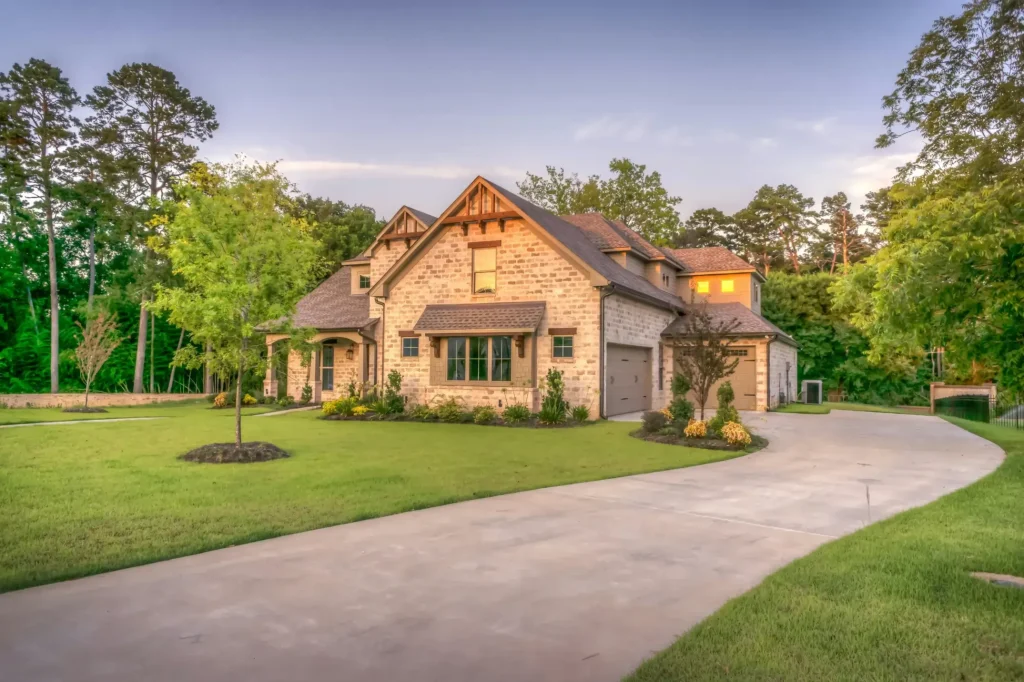
When it comes to crafting the perfect outdoor oasis in Shawnee, KS, there are various factors to ponder that go beyond mere aesthetics. Imagine the sense of pride and tranquility you’d feel as you gaze upon a landscape that not only captures the essence of your personal style but also harmonizes with the natural environment of Kansas. From the soil’s embrace of native plant roots to the way your garden’s layout orchestrates the flow of rainwater, every detail contributes to a living tableau that is both functional and enchanting. Considerations such as the local climate’s whims, the land’s contours, and the soil’s secret for plant vitality all play starring roles in the grand performance of landscape design. Envision the joy of entertaining guests on a patio that’s both a conversation piece and a testament to sustainable design, or the serenity of a private nook that celebrates nature’s own architecture.
If you’re eager to transform your property into a testament to thoughtful landscaping, look no further than Doctor’s Lawn and Landscape, an award-winning team with over 30 years of experience. Our seasoned experts are finely attuned to the symphony of Shawnee’s unique environmental factors and stand ready to orchestrate a landscape that resonates with your vision. Feel the thrill of anticipation as you await the unveiling of a space that’s not just seen but deeply felt. Dial 913-681-8041 to begin the transformation of your grounds into an award-winning reality that blossoms with endless potential.
Understanding Your Property’s Unique Characteristics
Understanding your property’s unique characteristics forms the foundation of any successful landscape design. Just as an architect considers the terrain and orientation of a plot before designing a building, we need to evaluate factors such as soil type, topography, and climate to create a tailored landscape design for your property in Shawnee.
Soil Type
The type of soil you have on your property is a major determinant of what kind of plants you can grow. Different plants require different soil conditions to thrive. The soil type determines the nutrients and moisture available to plants, thus affecting their growth; using plants that are well-adapted to the existing soil conditions can reduce maintenance needs.
A healthy soil is a balanced mix of porespace and solid materials, crucial for proper air and water circulation vital for healthy plant roots. Soil compaction and erosion can hinder plant growth by limiting root expansion and leading to the loss of nutrient-rich topsoil. It’s essential to maintain the soil in optimal condition for plant health, and this is where Doctor’s Lawn and Landscape can make a significant impact. Our expertise in soil management ensures that the soil’s health is supported by a diverse range of microorganisms that aid in nutrient cycling and contribute to the structural stability necessary for robust plant growth.
Topography
Topography, or the physical layout of your property, is another essential factor to consider in landscape design. The slope of a property affects how water drains and can influence erosion; managing this through landscape design is crucial to prevent potential damage.
For example, if your property has a slope, it may lead to water accumulation at the lower parts, causing potential damage to your house. To prevent this, we can correct drainage problems in our landscape designs by:
- Rerouting excess water away from the house to other parts of the yard, avoiding underground utilities
- Installing French drains or dry wells to collect and redirect water
- Creating swales or berms to channel water away from vulnerable areas
- Adding permeable surfaces, such as gravel or pavers, to allow water to soak into the ground
- Installing a rain garden to capture and filter runoff
This not only prevents water damage but also ensures an even distribution of water throughout your landscape, a testament to the expertise of Doctor’s Lawn and Landscape in creating functional and sustainable outdoor environments.
Climate and Microclimates
The climate is yet another critical factor in landscape design. Understanding local climate conditions is crucial for the selection of appropriate landscape features and plants in Shawnee. For instance, the amount of sunlight your yard receives can significantly affect what types of plants will thrive there.
Keep in mind that various areas of your yard might have different microclimates based on their exposure to sun, wind, and moisture. Consulting with Doctor’s Lawn and Landscape can provide valuable, region-specific insights into managing local climate effects on landscaping. This ensures that your outdoor space is not only visually appealing but also sustainable and resilient.
Defining Your Landscape Goals and Needs
Defining your landscape goals and needs is a crucial step in the landscape design process as it sets the direction for your project. Some common goals and needs to consider are:
- Creating a play area for your kids
- Designing a tranquil space to relax
- Creating a stylish outdoor space for entertaining guests
- Incorporating a mix of all these elements
Doctor’s Lawn and Landscape is dedicated to creating outdoor spaces that align perfectly with your lifestyle and aspirations. With meticulous planning and a deep understanding of the unique characteristics of your property, we ensure each design element serves a purpose, enhancing both the beauty and functionality of your outdoor living space. Let us help you achieve a landscape that not only meets but exceeds your expectations.
Outdoor Living Spaces
Outdoor living areas are often an extension of our indoor living spaces. They should be designed to flow seamlessly from the indoors to the outdoors, promoting an effortless transition during activities such as:
- Cooking
- Dining
- Hosting summer barbecues
- Enjoying peaceful afternoons reading in the garden
A well-designed outdoor living space can significantly enhance your experience.
Incorporating comfortable seating, functional tables, shade structures for comfort, and water features can contribute to a complete and enjoyable outdoor experience. For a more immersive experience, you might consider adding elements such as:
- Hammocks
- Swimming pools
- Tiki torches
- Fire pits
These additions provide designated areas for various activities like reading, socializing, eating, or simply soaking in the serenity of your personal oasis. Remember, the furniture and features you select should reflect the simplicity, functionality, and aesthetic of your home, further elevated by the cohesive appeal and comfort that Doctor’s Lawn and Landscape is known for crafting in outdoor living spaces.
Aesthetics and Style
Beyond functionality, aesthetics play a crucial role in landscape design. A cohesive style in your landscape design is fundamental as it guides the selection of plants and materials, ensuring that your outdoor space complements the architecture of your home.
Aesthetic qualities in a landscape are defined by combinations of form, color, texture, and size which are evident throughout the year and impact the garden’s visual appeal. For instance, hardscape elements, such as stone or wood features, provide a contrast to plants and add visual interest to the landscape. Considering aesthetic attributes like bloom color, seasonal changes, foliage texture, and winter interest is important when selecting low-maintenance plants that contribute to the overall cohesive style. Doctor’s Lawn and Landscape specializes in choosing the right plants that will not only thrive in your garden but also enhance the beauty and sustainability of your outdoor space throughout the year.
Plant Selection and Placement
With your landscape goals and needs clearly defined, the next step is plant selection and placement, which is a crucial part of the landscape installation process. This involves planting design, including:
- Selecting plants that meet your aesthetic preferences
- Choosing plants that are well-suited for your property’s unique characteristics
- Considering your lifestyle when selecting plants
Doctor’s Lawn and Landscape will consider factors such as sunlight exposure, maintenance requirements, and suitability for the local climate.
Sunlight and Shade
One of the first considerations when selecting plants is the amount of sunlight your property receives. Natural sunlight affects the types of plants that can thrive in different areas of your property. For instance, full-sun plants need a minimum of 6 hours of direct sunlight daily, while full-shade plants require less than 3 hours and may be harmed by more sun.
It’s not just about the quantity of sunlight; the intensity of sunlight also matters. The afternoon sun is more intense than the morning sun, and this variation should be considered when placing plants. Also, keep in mind that dappled shade provides an ideal environment for many full-shade plants.
Maintenance Requirements
The maintenance requirements of plants are another important consideration. You want to select plants that match your lifestyle preferences. If you enjoy gardening and have the time for it, you might opt for plants that require more care. On the other hand, if you’re looking for a low-maintenance garden, you’d want to choose plants accordingly.
Choosing plant species with a natural resistance to local pests can simplify maintenance by reducing the need for chemical treatments. It’s also important to follow good maintenance practices, including proper fertilization, mulching, and efficient water management, which are vital in preventing soil issues like erosion and compaction, contributing to healthier and less demanding plants. By selecting the right plant material, you can ensure a thriving and sustainable garden.
Zone-Friendly Plants
We want to incorporate “zone-friendly” plants into our landscape design. These are plants that are native to the area or suitable for the local climate, ensuring adaptability and sustainability. Landscapes that include native plants tend to require less maintenance once these plants are established. Plus, native plants are well-adapted to local conditions, which means they usually require less water, conserving this valuable resource. Some examples of zone-friendly plants include:
- Lavender
- Sage
- California poppy
- Agave
- Yucca
By choosing zone-friendly plant choices and considering the existing vegetation, you can create a beautiful and sustainable landscape that thrives in your local climate with the addition of new plants.
At Doctor’s Lawn and Landscape, we always select plants for landscape design that are native to the area or suitable for the local climate. Our goal is to create a landscape that is not only beautiful but also sustainable and low-maintenance.
Incorporating Hardscape Elements
While plants form the backbone of any landscape, hardscape elements like pathways, retaining walls, and outdoor structures also play a crucial role. They enhance accessibility, add visual interest, and often involve less long-term maintenance compared to organic alternatives.
Pathways and Walkways
Pathways and walkways are essential hardscape elements that enhance accessibility in your landscape. They guide your journey through the outdoor space, drawing your attention to specific points of interest. Utilizing irregularly spaced and sized flagstones, for example, can contribute to a garden’s natural and effortless appearance. Grass pathways provide a soft surface in contrast to traditional hard paving materials, offering a unique walking experience.
Design elements can also add a touch of flair to your walkways. Here are some ideas to consider:
- Using contrasting materials, such as slate and brick, in pathway design can create a striking visual and tactile experience.
- Curved walkways add visual interest and can highlight surrounding garden areas, as opposed to straight paths which offer a more direct route.
- Designing walkways that incorporate segments can facilitate construction on sloped terrain and add design complexity.
Doctor’s Lawn and Landscape offers a spectrum of options tailored to your unique landscape needs, providing expert guidance to help you select the perfect choice. Once you’ve made your decision, we will assist in bringing your chosen design to life with precision and care.
Retaining Walls and Terracing
Retaining walls and terracing are particularly useful in managing sloped landscapes. They offer several benefits, including:
- Preventing soil erosion
- Providing flood control
- Creating visual interest through the creation of levels or pathways on sloped terrain
- Increasing property value by creating flatter surfaces, which are generally preferable and more expensive than sloped areas.
The materials used for retaining walls, also known as building materials, can greatly influence their appearance and durability. Some options include:
- Natural stones like granite and limestone, which offer durability and a timeless look, fitting traditional design preferences.
- Wood, which is a cost-effective material but tends to have a shorter lifespan.
- Concrete, which is a popular choice for its strength and versatility.
- Combining different materials can introduce textural elements and mitigate the stark appearance of concrete structures.
Designing retaining walls with integrated steps can improve accessibility to various parts of a yard while adding an element of charm to the landscape. Doctor’s Lawn and Landscape specializes in creating these functional and attractive features that not only enhance the beauty of your outdoor space but also contribute to its practicality.
Outdoor Structures
Outdoor structures such as pergolas and gazebos can serve as eye-catching focal points, enhancing the visual appeal of your outdoor spaces. These structures not only add character but also functionality by offering:
- Shelter from sun and rain
- A place to relax and unwind
- A space for outdoor dining and entertaining
- A designated area for plants and vines
With a pergola or gazebo, you can enjoy your outdoor space in various weather conditions and create a beautiful and functional outdoor living area.
Creatively designed retaining walls can provide additional seating or incorporate firepits, optimizing the use of space and offering more entertainment options. Outdoor structures, expertly crafted by Doctor’s Lawn and Landscape, can significantly enhance the functionality and aesthetic appeal of your landscape, making it a more enjoyable space for you and your family.
Budget and Timeline Considerations
Developing a realistic budget is the first consideration when planning a landscape project, and this is where Doctor’s Lawn and Landscape can provide invaluable assistance. Our team can help you understand the costs associated with various design elements and materials, ensuring that your financial plan aligns with your vision. Equally important is to have a comprehensive project schedule that outlines tasks, resources, and deadlines. We can offer examples of previous project timelines to help you visualize the process and set realistic expectations for your own landscape transformation. With our expertise, we’ll guide you through each phase, from initial design to final implementation, ensuring a smooth and transparent journey to achieving your dream outdoor space.
Estimating Costs
A landscape design project is an investment, and Doctor’s Lawn and Landscape understands that transparency about costs is crucial for your peace of mind. The first step in our process includes a candid discussion about the scope of your landscaping project and how it aligns with your budget. We account for labor, materials such as tools, soil, compost, mulch, water, seeds, plants, and special features. By considering the reuse of existing landscape elements and construction materials, we can maximize the value of your investment.
Additionally, we recommend including a financial buffer of 5 to 10 percent to cover any unexpected expenses that may arise, ensuring continuous communication throughout the project to avoid any unforeseen financial surprises. This proactive approach helps to ensure that your project progresses smoothly without interruption due to budgetary constraints.
Phased Implementation
Sometimes, the landscaping project of your dreams may not align with your current budget. In such cases, Doctor’s Lawn and Landscape can assist you in planning and implementing the landscape design in phases over time. This strategic approach allows you to prioritize the most crucial elements of the design and add other features as your budget permits.
Phased implementation not only makes the project more financially manageable but also provides the opportunity to collaborate closely with our experts to see your landscape evolve and grow over time. With Doctor’s Lawn and Landscape’s guidance, the phased approach can be a rewarding process as you witness your vision coming to life bit by bit, with each phase meticulously planned and executed to meet your evolving needs and resources.
How Doctor’s Lawn and Landscape Can Help You
With all this information at your disposal, you might be wondering where to start. That’s where Doctor’s Lawn and Landscape comes in. We aim to provide the highest quality of service, installation, and products for our residential and corporate clients. With a personalized approach to landscape design, we ensure clear communication and a deep understanding of our client’s needs to make their landscape vision come to fruition.
We proudly serve award-winning landscape designs to clients in the Kansas City metro area, Lake of the Ozarks, and Overland Park areas. Your lawn and landscape dreams are just a call away! Connect with us at 913-681-8041 to discuss your vision and explore the endless possibilities for your award-winning outdoor space. Whether you have questions or need assistance planning your next award-winning landscaping project, our team is eager to transform your outdoor areas into a breathtaking haven of beauty and tranquility. Don’t wait to create the landscape you’ve always desired—call Doctor’s Lawn and Landscape today and let’s craft your personal, award-winning oasis together!
Frequently Asked Questions
What are 3 important considerations when designing a landscape plan?
When designing a landscape plan, it’s important to consider the purpose of the yard, create cohesive spaces, and pay attention to detail. The purpose of the yard dictates the functional areas and their layout, whether it’s for relaxation, entertainment, or gardening. Creating cohesive spaces ensures that the landscape flows harmoniously from one area to another, while attention to detail can make a significant difference in the overall aesthetic and functionality of the design.
What are the fundamental factors you consider before landscaping?
Before landscaping, it’s crucial to consider your regional climate, site topography, and soil type. Understanding the regional climate helps determine which plants and features will thrive, while site topography can influence water drainage and the layout of your landscape. Soil type is essential to understand as it affects the selection of plants and the need for soil amendments. Start by using the USDA Plant Hardiness Zone Map to identify plants that are suitable for your area.
What is the importance of understanding my property’s unique characteristics in landscape design?
Understanding your property’s unique characteristics, such as soil type and climate, is crucial for a successful landscape design. It allows for the selection of suitable plants and the design of landscape features that will thrive under your property’s specific conditions, reducing maintenance and increasing the longevity of your landscape.
How does Doctor’s Lawn and Landscape approach landscape design?
Doctor’s Lawn and Landscape takes a personalized approach to landscape design, focusing on clear communication and understanding clients’ needs to bring their vision to life. Our team considers every aspect of your property and lifestyle to create a unique and functional outdoor space. We work closely with you every step of the way, ensuring that the final design reflects your personal style while also being sustainable and practical.
How can hardscape elements enhance my landscape design?
Hardscape elements such as pathways, retaining walls, and outdoor structures play a pivotal role in enhancing your landscape design. Not only do they improve accessibility, guiding visitors through the various parts of your garden, but they also add significant visual interest, creating a dynamic and textured environment. Furthermore, these elements typically require less long-term maintenance than their organic counterparts, making them a practical addition to any outdoor space.