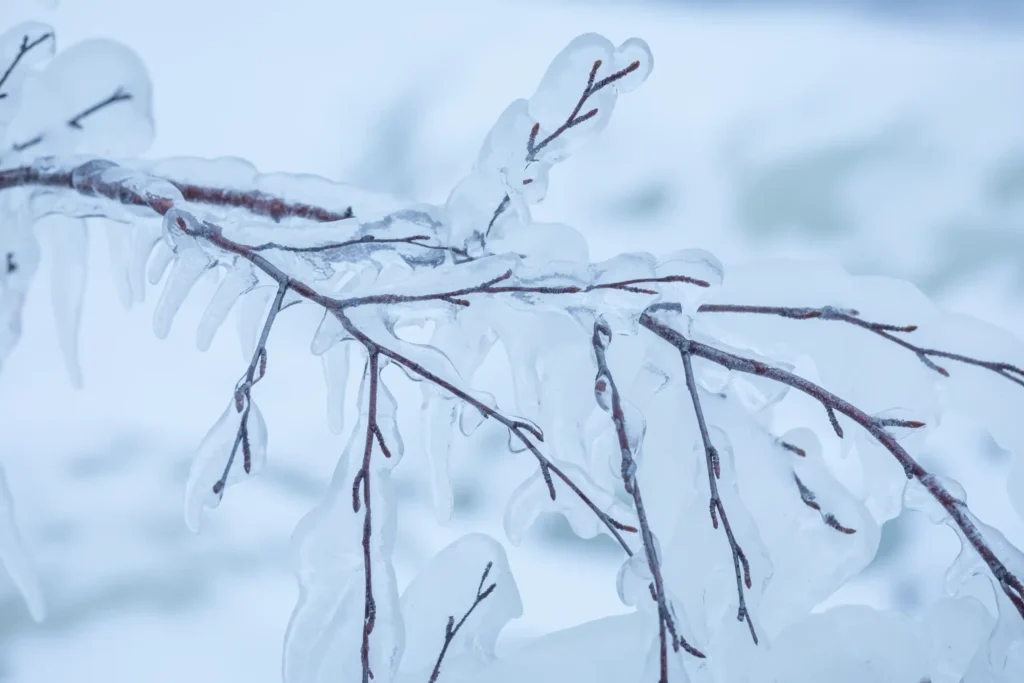
 Winter can be tough on trees, but with the right care, they can remain healthy. At Doctor’s Lawn and Landscape, we know how important this is and offer practical advice on winter tree care. Our team, serving the Kansas City Metro Area for over 30 years, is committed to helping you care for your trees during the colder months so they thrive in spring.
Contact Doctor’s Lawn and Landscape for personalized help and professional winter tree care services. Call us today at 913-681-8041. Our team is ready to support you and your trees with care.
Why Keeping Trees Healthy in Winter Matters
Taking care of your trees in winter is essential yet challenging. As temperatures drop and the ground freezes, trees face various threats to their health. During winter, trees endure freezing temperatures, heavy snow, and ice, leading to broken branches and root damage.
The lack of sunlight and moisture can stress trees, making it hard for them to absorb necessary nutrients. Keeping your trees healthy in winter not only protects them from these seasonal threats but also prepares them for a strong growth period in spring. Proper winter tree care, including pruning, mulching, and protecting tree roots and trunks, helps trees get through the colder months and come out strong and healthy when they warm up.
1. Prune Trees Safely
Winter tree care starts with pruning, an important task that can improve your tree’s health and shape. Pruning during the dormant season removes dead or diseased branches, lowers the risk of snow and wind damage, and encourages new growth in spring. Trimming your trees in winter helps them stay strong through the colder months.
Removing dead branches is a key reason to prune trees in winter. Dead branches can be dangerous, especially in winter when heavy snow and ice can cause them to break and fall. Removing these branches improves the tree’s health and safety around your home. Shaping the tree to improve its form and strength is also beneficial during this time.
Using the right tools and methods when pruning helps avoid harming the tree. Always make clean cuts at a slight angle just above a bud or branch to encourage proper healing. For larger branches, a professional arborist can safely handle the task and provide emergency tree removal services if needed. This ensures the pruning is done correctly and minimizes the risk of injury to yourself or further damage to the tree.
Regularly checking for pests and carefully clearing snow from tree branches can also help prevent damage during winter. These steps ensure your trees stay healthy and strong, ready to grow when warmer weather returns.
2. Apply Mulch Around Tree Roots
 Mulching is one of the best winter tree care tips for protecting your tree roots from harsh weather. A layer of mulch around your trees insulates the roots, keeps moisture in, and prevents soil erosion, all important for tree health during winter.
Mulch acts as a protective blanket for tree roots, maintaining soil moisture and regulating temperature around the root zone. This is especially important during winter when the ground freezes and thaws repeatedly, which can stress and damage the roots. Mulching helps keep your trees healthy and reduces the risk of root rot.
The type of mulch you use matters. Organic mulch like wood chips, bark, or compost is recommended for winter tree care. Leave a few inches gap around the tree trunk when applying mulch to avoid rot. The depth of mulch should be around 2–4 inches, which is enough to provide insulation while allowing proper air circulation.
Maintaining a layer of mulch around trees not only helps retain moisture and warmth but also discourages rodent activity that can harm the tree bark. This simple yet effective practice greatly improves your trees’ ability to withstand winter and emerge strong and healthy in spring.
3. Protect Tree Trunks from Sunscald
Sunscald is a common winter problem that can damage tree trunks. It happens when the tree’s bark warms up during sunny winter days and then quickly cools down at night, leading to vertical cracks and dead bark. Protecting your tree trunks from sunscald helps them stay healthy through winter.
Young trees are especially vulnerable to sunscald due to their thinner bark and less developed canopies. Wrap tree trunks with white reflective tape or use light-colored tree wraps to prevent sunscald and frost cracks. These materials help reflect sunlight and maintain consistent bark temperatures, reducing the risk of damage.
Reflective materials like white tape or tree wrap effectively prevent sunscald and frost cracks. Wrapping the trunks of newly planted trees and other vulnerable trees can protect them from the harsh winter sun and freezing temperatures. This preventive measure greatly helps maintain tree health during winter.
Protecting your tree trunks from sunscald helps your trees survive winter with minimal damage. This ensures they remain strong and healthy, ready to thrive when the ground thaws and the growing season begins.
4. Keep Trees Hydrated
While winter is often associated with snow and ice, it can also be a dry season for your trees. Keeping your trees hydrated during winter ensures they have enough moisture to survive the cold and emerge healthy in spring.
Watering trees in winter may seem unusual, but it’s important for their health. Young trees, in particular, need regular watering to develop strong roots that can better withstand winter stress. Apply water using a garden hose or watering can during warmer winter temperatures, ideally above 40 degrees Fahrenheit. Water deeply to provide enough moisture right before the ground freezes.
During warmer days in winter, watering provides essential moisture for tree health as water soaks into the soil for roots. Dormant trees should be watered one to two times per month during winter dry periods. Trees usually require about 10 gallons of water for each inch of their trunk diameter during dry spells.
Watering around the drip line, the outer edge of the tree’s branches ensures moisture reaches the roots where it’s needed most. Additionally, watering in late winter can help dilute salts in the soil and prevent root damage. Keeping your trees hydrated helps them retain moisture and essential nutrients, setting them up for a vibrant and healthy spring.
5. Prevent Salt Damage
Salt damage is a common issue during winter, as rock salt used for deicing can harm trees by interfering with their water absorption and nutrient uptake. Symptoms of salt damage include leaf browning, delayed growth, wilting, and increased susceptibility to pests. Preventing salt damage is important for maintaining tree health during winter.
One way to prevent salt damage is to use safer alternatives like sand, calcium chloride, or potassium-based ice melters instead of rock salt. These alternatives are less harmful to trees and can effectively prevent frost damage without compromising tree health.
Creating physical barriers like burlap around the base of trees helps protect them from salt damage. Directing salt application away from trees and using these preventive measures keeps your trees healthy and vibrant through winter.
Professional Tree Maintenance Services by Doctor’s Lawn and Landscape
 At Doctor’s Lawn and Landscape, we offer a full range of professional tree maintenance services to ensure your trees stay healthy and vibrant throughout the year. Our experienced team is dedicated to providing top-notch care tailored to meet the specific needs of your trees, whether they are newly planted trees or mature giants.
Expert Pruning and Trimming
Our skilled arborists perform expert pruning and trimming to improve the structure and health of your trees. By removing dead, diseased, or overgrown branches, we help prevent potential hazards and promote new growth, ensuring your trees stay strong and beautiful.
Mulching and Soil Health
We apply high-quality organic mulch around tree roots to retain moisture, regulate soil temperature, and prevent erosion. Our mulching services are designed to support tree health, especially during the colder months when the ground freezes and thaws.
Tree Hydration and Nutrient Management
Proper hydration is essential for tree health, especially in winter. Our team ensures your trees receive enough water and essential nutrients, helping them to withstand cold temperatures and thrive when the ground thaws.
Disease and Pest Management
Our proactive approach to disease and pest management includes regular monitoring and treatment to protect your trees from harmful infestations. We use environmentally friendly methods to keep your trees free from pests and diseases, maintaining their vitality and longevity.
How Doctor’s Lawn and Landscape Can Help You
At Doctor’s Lawn and Landscape, we understand the challenges of maintaining tree health during the winter season. Our expert team is equipped with the knowledge and tools necessary to implement the top winter tree care tips, ensuring your trees stay healthy and vibrant. From strategic pruning and effective mulching to safeguarding against salt damage, our services are designed to meet the unique needs of your yard.
Choosing a professional lawn and landscape company like Doctor’s Lawn and Landscape offers numerous benefits. Our experienced professionals provide complete care tailored to your trees’ specific requirements, ensuring they receive the attention and maintenance they need during the colder months.
Don’t leave your trees vulnerable to winter’s harsh conditions. Contact Doctor’s Lawn and Landscape today at 913-681-8041 to schedule your winter tree care services. Let us help you keep your trees healthy and beautiful all year round.