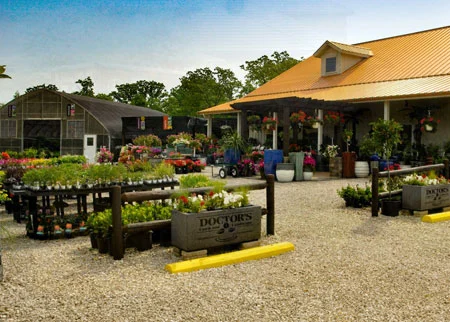
Imagine stepping outside to a lush, green lawn that has become the envy of your Kansas City Metro Area neighbors. A beautiful yard not only enhances the curb appeal of your home but also offers you a serene outdoor space to relax and enjoy. The key to achieving this picturesque landscape lies in understanding the types of sod grass best suited for the Kansas City Metro Area climate and mastering the art of lawn care.
With over 30 years of award-winning experience, Doctor’s Lawn and Landscape will help you explore the world of sod grass in the Kansas City Metro Area, covering everything you need to know about sod grass in the Kansas City Metro Area, from best grasses for the area to installation techniques and maintenance practices. By partnering with Doctor’s Lawn and Landscape, you will have all the knowledge you need to cultivate a thriving, great-looking lawn that will be the talk of the town. Call us at 913-386-3547, and together, we’ll nurture a landscape that reflects the beauty of your Kansas City home.

Understanding Sod Grass in Kansas City
Kansas City Metro Area’s continental climate, with its hot summers and cold winters, presents unique challenges for lawn care enthusiasts. Selecting grass types that are compatible with the region’s soil temperatures and climate patterns is key to cultivating a healthy, green lawn in these fluctuating conditions.
Cool Season Grasses
Cool season grasses, like Tall Fescue and Kentucky Bluegrass, thrive in the Kansas City Metro Area climate and are ideal for lawns. These grasses exhibit vigorous growth during the cooler months of spring and fall, making them well-suited to the region’s soil temperatures and climate conditions. A healthy lawn can be maintained by keeping cool-season grasses at a height of 2 to 3 inches.
When selecting new grass seed for your cool season lawn, opt for a seed purity and germination percentage of at least 80%. This will ensure a high-quality lawn with minimal weed invasion. A 50/50 mix of fescue and bluegrass is a popular choice for lawns in the Kansas City Metro Area, as it combines the hardiness of fescue with the fine texture and rich color of bluegrass.
Installing Sod Grass: Tips and Techniques
Once you have determined the type of grass best suited for your Kansas City lawn, it’s time to embark on the journey of sod grass installation. Sod provides an instant lawn, mature and weed-free, allowing for foot traffic within a few weeks of installation. Applying proper installation techniques is vital for the success of your new sod.
At Doctor’s Lawn and Landscape, we know the tips and techniques for installing sod grass, touching upon soil preparation, the selection of quality sod, and the correct way to lay sod. By partnering with Doctor’s Lawn and Landscape, you’ll have a strong foundation for a healthy, great-looking lawn that will last for years to come.
Soil Preparation
Soil preparation serves as a critical first step in the process of sod installation. Here are the steps to follow:
- Remove any debris brought to the surface during rough grading, such as rocks and sticks.
- Perform a rough grade on the planting site to ensure adequate surface drainage.
- Consider incorporating topsoil into the existing soil to improve conditions for turf growth.
A soil test can provide valuable information about the pH, phosphorus, and potassium levels of your soil, helping you make informed decisions about soil amendments.
Choosing Quality Sod
Choosing high-quality sod is fundamental to fostering a healthy, thriving lawn. When choosing sod, look for:
- A dark green to blue-green color, indicating its health
- A good root system, is indicated by resistance when gently lifting one corner
- No visible weeds or weed seedlings
- No signs of weed growth or damage
By choosing quality sod, you’re investing in a great-looking lawn that will stand the test of time.
Laying Sod
The right way to lay sod is key to its successful establishment. At Doctor’s Lawn and Landscape, we are sure to follow the following steps:
- Level out any loose areas or wrinkles, making sure the sod lies flat against the soil without air pockets.
- Press the sod uniformly into the ground and butt the edges and ends firmly against each other.
- Stagger the seams in a brickwork pattern to create a strong foundation and make the seams less discernible.
Immediately after laying the sod, roll it to ensure close soil contact. With proper installation, your new sod will quickly take root and flourish.
Caring for Your New Sod Grass
Once your sod is installed, proper care is imperative to foster a healthy, lush lawn. Proper maintenance not only promotes growth but also helps prevent common issues such as weed invasion, disease, and pests.
At Doctor’s Lawn and Landscape, we know the essentials of new sod grass care, focusing on setting up a watering schedule, regular mowing, and fertilizing. By adhering to these maintenance practices, you’ll be well on your way to cultivating a thriving, great-looking lawn in the Kansas City Metro Area.
Watering Schedule
Setting up a watering schedule is paramount for the well-being of your new sod grass. Here’s a suggested watering schedule:
- During the first 14-21 days, keep the sod wet by watering it 1-2 times a day.
- After this initial period, transition to a normal watering schedule of 1-2 times a week.
- Water for 1-2 hours each time.
- Make sure to water either in the morning or late afternoon to minimize water loss due to evaporation.
By keeping the soil moist, especially in clay soils, you’ll encourage strong root growth and a healthy, green lawn. This will also help the roots to penetrate the soil beneath, ensuring a more robust lawn.
Mowing and Fertilizing
Also, routine mowing and fertilizing are crucial for the upkeep of your new sod grass. Here are some guidelines to follow:
- Wait 2-3 weeks after installation for the sod grass to properly root before beginning to mow.
- Maintain a mowing height of 2 to 3 inches.
- Never remove more than one-third of the total grass blade length at a single cutting.
Fertilize your lawn with starter fertilizer when it’s actively growing, typically during the early summer, late spring, and fall seasons. By following these guidelines, you’ll promote growth and maintain the health of your sod grass
Addressing Common Sod Grass Issues
Even with proper installation and maintenance, your sod grass may encounter some common issues, such as weed invasion, shady areas, and bare spots. Addressing these problems promptly and effectively is crucial for maintaining a healthy, great-looking lawn.
At Doctor’s Lawn and Landscape, we know the solutions to common sod grass issues, which include preventing and treating weed invasion, managing shady areas, and filling in bare spots. By tackling these challenges head-on, you’ll ensure that your lawn remains lush, green, and beautiful all year round, free from the nuisance of annual grassy weeds.
Weed Invasion
Weed invasion can be a persistent problem for homeowners, but with the right approach, it can be managed effectively. To control weed invasion, follow these steps:
- Identify the weeds present.
- Select an appropriate herbicide for the specific weeds.
- Apply the herbicide treatment as per the instructions.
- Remove existing sod if necessary.
- Allow the treatment to take effect.
- Rake and till the area to remove dead weeds.
Maintaining healthy turf through proper mowing, adequate watering, and preventing soil compaction will also help prevent weed growth.
Shady Areas and Bare Spots
Shady areas and bare spots can be challenging for sod grass, but with careful management, they can be improved. Here are some strategies to consider:
- For shady areas, consider choosing shade-tolerant grasses like tall fescue, which can thrive in less sunlight.
- To address bare spots, overseeding can be employed to fill in gaps and improve the lawn’s density.
- Another option is verticutting, which involves making vertical cuts in the soil to promote new growth and fill in bare spots.
By implementing these strategies, you can improve the appearance and health of your lawn, even in challenging areas.
By taking these steps, you’ll create a more uniform, great-looking lawn that can withstand the unique challenges of your landscape.
Transition Zone Grasses: Finding the Perfect Balance
Kansas City falls within the transition zone, a region characterized by fluctuating weather conditions that can be challenging for grasses. Transition zone grasses, such as turf-type tall fescues, Kentucky bluegrass, offer a balance between these grass types, making them suitable for Kansas City’s climate.
By understanding the unique characteristics of transition zone grasses and selecting the right mix for your specific lawn conditions, you can create a thriving, great-looking lawn that flourishes throughout the year, despite the Kansas City Metro Area’s varying temperatures and weather patterns.
Sod Grass Alternatives: Seeding and Overseeding
While sod grass is a popular choice for many homeowners, there are alternative options that may be more cost-effective and offer greater flexibility in lawn care. Seeding and overseeding, for example, provide viable alternatives to sod, allowing you to choose the desired species or cultivars and grow the turf in the environment it must ultimately thrive.
Talk to us at Doctor’s Lawn and Landscape about the benefits and challenges of seeding and overseeding as alternatives to sod grass. By exploring these options, you may find a more suitable solution for your specific lawn care needs, while still achieving a lush, great-looking lawn.
How Doctor’s Lawn and Landscape Can Help You
Cultivating a lush, green lawn in the Kansas City Metro Area is achievable with the right knowledge and techniques. By understanding the types of sod grass suitable for the region, mastering installation methods, and following proper maintenance practices, you can create a thriving, great-looking lawn that will be the talk of the town.
With the guidance provided by Doctor’s Lawn and Landscape, you are now equipped to embark on your journey to transform your lawn into a beautiful, flourishing oasis. Embrace the challenge, and enjoy the satisfaction of cultivating a stunning landscape that will enhance the beauty and value of your property.
At Doctor’s Lawn and Landscape, our goal is to be a reliable resource for our customers in all aspects of lawn and landscaping. We take a tailored approach to each residential or corporate client, offering service, installation, and products to help you achieve the perfect lawn.
If you have any questions or concerns about sod grass installation, maintenance services, or alternative lawn care options, our team of professionals is here to help. Call us at 913-386-3547 for assistance, and let us guide you on your journey to creating a healthy, great-looking lawn in the Kansas City Metro Area.
Frequently Asked Questions
When can you lay sod in Kansas City?
Sod can be laid anytime during the growing season in Kansas City, as long as the ground is not frozen and there is adequate water for establishment and maintenance. The best time to plant is usually spring or early autumn when cool temperatures and occasional rain help with root growth.
How do you take care of new sod in the Kansas City Metro Area?
Water your new sod immediately and then daily for the first two weeks. After that, water it every other day for the next three weeks, aiming to soak the top 1/4 inches of soil. During hot, dry periods you may need to water more frequently.
Does new sod need to be watered every day?
Yes, new sod needs to be watered every day to ensure that the top one inch of soil remains consistently moist. During the second week, reduce the frequency of your watering sessions to once a day and make sure the soil remains moist to a depth of 1-2 inches.
What are the best types of sod grass for Kansas City’s climate?
Cool season grasses such as Tall Fescue and Kentucky Bluegrass, are well-suited for the climate in the Kansas City Metro Area.
How can I ensure successful sod installation?
To ensure successful sod installation, prepare the soil properly, select quality sod, and lay it correctly.