 Are you worried about how your trees and shrubs will handle the harsh winter months? Knowing what your plants need during winter is important to help them stay healthy and lively in the spring. At Doctor’s Lawn and Landscape, an award-winning company with over 30 years of experience serving the Kansas City Metro Area, we understand the significance of preparing your garden for winter. We’re here to offer expert advice and solutions tailored to your garden’s specific needs.
If you’re ready to give your trees and shrubs the care they need, contact Doctor’s Lawn and Landscape at 913-681-8041. Our dedicated team provides professional support to help your garden succeed. Call us today to learn more about our services and how we can help you achieve a beautiful and healthy garden.
Check and Trim Trees and Shrubs
Checking and trimming trees and shrubs is an important part of winter tree care. This process helps keep plants healthy and prepares them for strong spring growth. The best time to check and trim is in late fall and early winter, which helps reduce stress on the plants and makes it easier to spot problems.
When you inspect your healthy trees and flowering shrubs, look for signs such as broken branches, dead spots, or any signs of disease. Fixing these issues through trimming improves plant health and supports strong growth in the spring.
Spot Weak Branches
Before winter, check trees for weak branches that might be dangerous. Heavy snow and ice can harm these branches, causing structural issues and safety risks. Spotting and trimming branches that might break under snow or ice prevents harm and keeps the tree strong.
Look for branches that seem dead, damaged, or diseased. These weak points are more likely to break under winter stress, so removing them now will protect the tree and nearby property. Pay special attention to branches with multiple stems or those that are poorly attached to the main stem.
Best Time for Trimming Trees
Trimming in late fall or early winter reduces plant stress and gets deciduous plants ready for strong spring growth. During this time, trees are dormant, which makes it easier to see the tree structure and spot problem branches.
This timing also lowers the chance of pest problems and disease spread, as many pests and diseases are less active in cold weather. Trimming during this time ensures trees are healthy and ready to thrive when spring arrives.
Protect Tree Trunks and Bark
Protecting tree trunks and bark is another key part of winter care. Many trees, especially evergreens, are at risk from winter elements like water loss due to winter sun and wind, which can lead to drying out and browning. For young or newly planted trees, burlap wraps and wind barriers can provide extra protection.
Use Reflective Tree Wraps
Reflective tree wraps effectively prevent sunscald and regulate temperature changes. This tool can greatly impact tree health during harsh winter months. For the best results, find out the right wrapping methods based on the specific type and overall health of your tree.
Mulch Around Root Zone
Mulching around the root zone protects trees and shrubs during winter. A thick layer of mulch helps control soil temperatures, keeping the root zone insulated and reducing the risk of frost heaving.
Apply a 2-4 inch layer of organic material like wood chips or straw around each tree and shrub to maximize mulching benefits. This practice not only insulates the roots but also conserves moisture and improves soil health.
Keep Soil Healthy and Moist
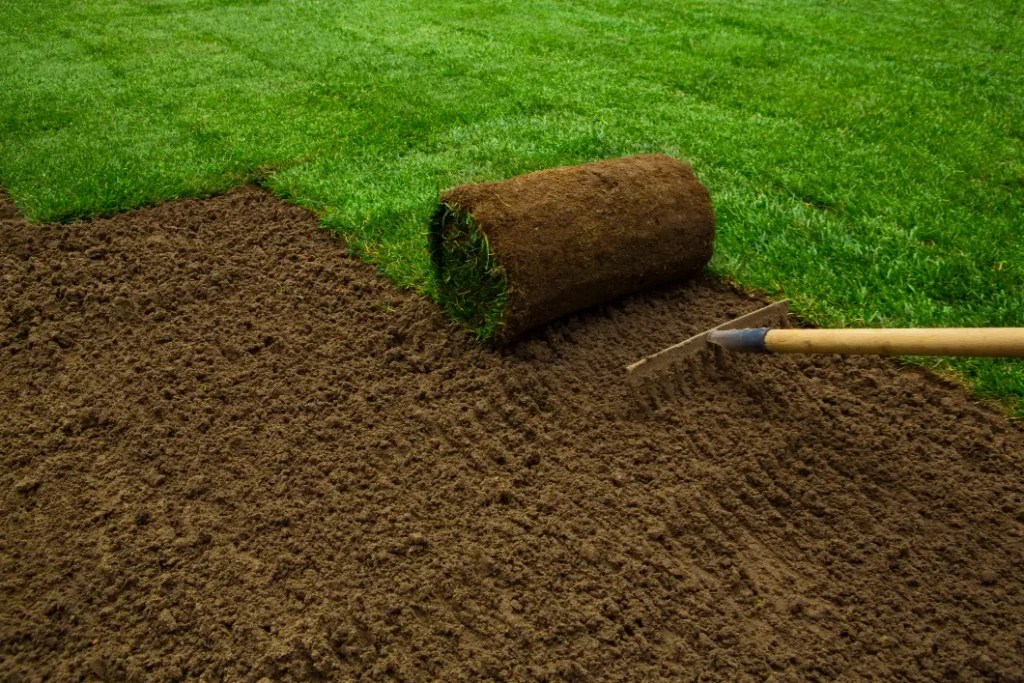 Soil health and moisture are important for tree and shrub survival during winter. Enough water before the ground freezes helps plants retain moisture, important for winter survival. Watering before winter also provides nutrients and insulation, protecting tree cells from cold harm.
A winter watering schedule keeps roots hydrated before the ground freezes. A thin layer of organic mulch in late fall insulates roots and retains soil moisture, protecting plants from winter stress. These practices are especially important for young or newly planted trees with immature root systems and bark.
Watering Tips
Proper watering before the ground freezes is important for tree and shrub health. Deep watering in late fall helps with moisture retention, allowing plants to store enough water to survive the winter.
Check the soil moisture a few inches down before watering new plants or trees. Water deeply but not too often, as this method ensures that roots are well-hydrated without causing waterlogging. Watering early in the morning reduces evaporation and ensures plants have enough water throughout the day.
Prevent Winter Damage from Animals
Winter can be tough on trees and shrubs, not just because of the weather, but also due to animals looking for food and shelter. Deer, rabbits, and voles are common animals that may harm your plants during this season. Using barriers and repellents can help keep them away and protect your trees and shrubs.
Use Barriers and Repellents
Mesh fencing and repellents can keep animals like deer and rabbits from harming trees and shrubs. Tree wraps can be tightly secured around trunks to stop insects, unlike plastic guards.
If screens and wraps are too expensive, repellents are a good option to keep animals away. There are various types of repellents, both natural and chemical, to fit different needs.
Monitor for Pest Infestation
Checking your plants during winter helps you spot and manage pest problems. Finding pests early allows you to remove affected leaves or branches, stopping the spread of pests and diseases.
Using natural pest control methods, like neem oil, can be effective against pests. Staying alert and taking action helps protect your trees and shrubs from harm.
Signs Your Trees Need Extra Winter Care
Certain signs show your trees might need more help to stay healthy for spring. Here are some simple signs that your trees could use extra care during the winter:
- Damaged Bark: The bark protects the tree, and any damage can leave it open to cold weather and bugs. Look for cracks or pieces of bark that are missing. If you see these, it’s important to fix them quickly. Young trees might also suffer from sunscald, so using protective wraps can help.
- Exposed Roots: Roots sticking out of the ground are at risk from cold weather and can make the tree unhealthy. If you see roots above the soil, it might be due to soil washing away or not enough mulch. Adding a fresh layer of mulch around the roots can keep them warm and safe.
- Weakened Branches: Snow and ice can make branches heavy and cause them to break. Look for branches that seem dead, damaged, or are not well attached to the main trunk. Trimming these branches can prevent them from breaking and keep the tree strong.
- Pest Problems: Even in winter, pests can harm trees. Check for signs like holes in the bark or strange growths. Finding these early means you can treat them before they cause too much damage.
- Discolored Leaves or Needles: If leaves or needles turn brown or yellow, it means the tree is stressed. This could be from cold, not enough water, or a lack of nutrients. Proper watering and adding fertilizers before the ground freezes can help keep the tree healthy.
By spotting these signs early, you can take steps to protect your trees and help them grow well in the spring.
When Should You Call a Professional for Winter Tree Care?
 Taking care of trees in winter can be challenging, and there are times when it’s best to get help from a professional. Here are some situations where you might need their assistance:
Dealing with Large Trees
Large trees can be risky during winter storms, as snow and ice can cause branches to break. If you have big trees, it’s a good idea to call in professionals to safely trim and prune them. They have the right tools and know-how to do the job safely.
Spotting and Treating Diseases
It’s not always easy to see if your trees or shrubs are sick during winter. A professional can identify any diseases and suggest the right treatments to keep your plants healthy.
Fixing Structural Problems
If your trees have weak or broken branches, they need careful attention. Professionals can check the tree’s condition and decide the best way to fix it, especially if the tree is near buildings or paths where falling branches could be dangerous.
Handling Pest Problems
Winter can bring hidden pest issues in trees. Professionals can look for signs of pests and take steps to get rid of them, protecting your trees from harm.
In these cases, hiring a professional tree care service like Doctor’s Lawn and Landscape helps ensure your trees and shrubs are ready to handle winter and flourish in the spring.
How Doctor’s Lawn and Landscape Can Help You
At Doctor’s Lawn and Landscape, we know that caring for trees and shrubs in winter can be challenging, especially if you want them to be healthy in early spring. Our services are designed to make this easier for you, so you can enjoy your garden without the stress. We focus on what your garden needs, offering Tree and Shrub Care programs that keep your plants healthy and growing all year.
Our services include regular checks and protective steps to keep your trees and shrubs healthy throughout the year. With our understanding of local weather, we use care methods that help your plants do well in any season. We are committed to providing solutions that work and make sure your garden stays healthy with little effort from you.
Our advice is based on years of experience, ensuring you get the best guidance for keeping your garden vibrant and healthy. By choosing Doctor’s Lawn and Landscape, you get professional care that makes winter tree and shrub maintenance easier, giving you peace of mind and a thriving garden all year.
Don’t let winter tree and shrub care stress you out. Contact Doctor’s Lawn and Landscape today to see how our services can turn your garden into a beautiful and thriving space. Call us now at 913-681-8041 and take the first step towards a stunning and stress-free garden.